
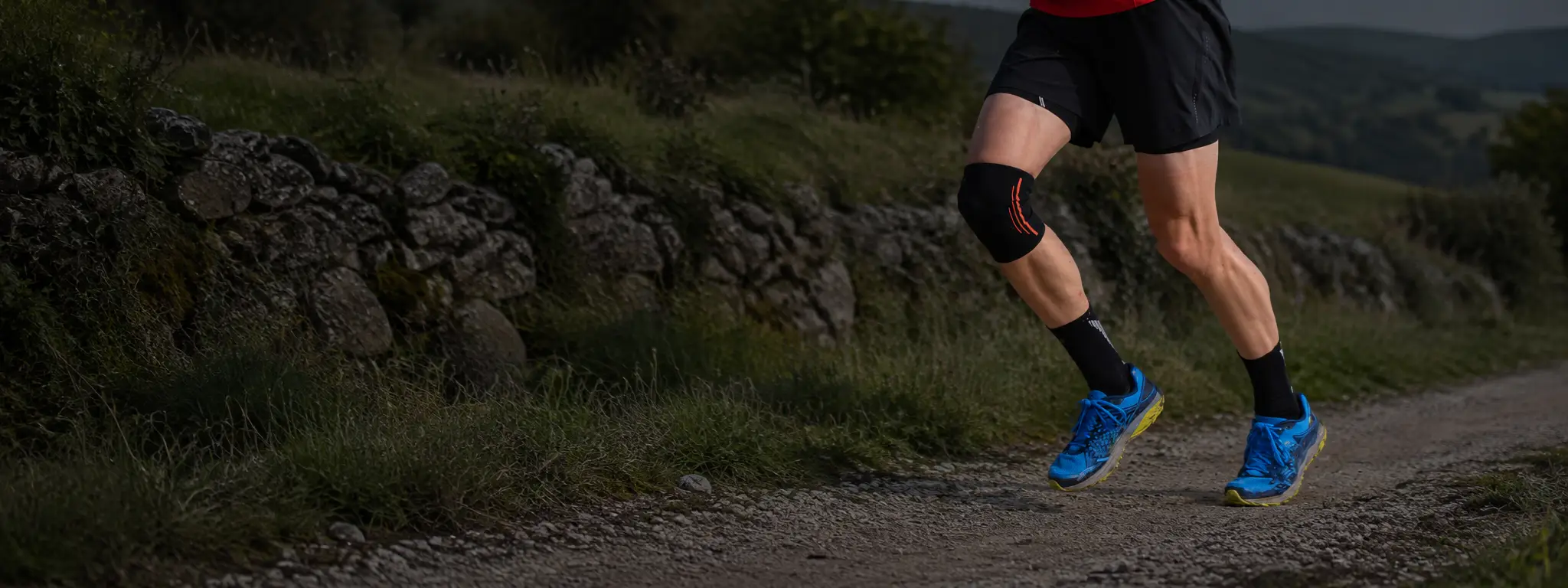
OEM/ODM Knee Support & Sleeves Manufacturer
Develop your knee support or knee sleeves range with Braces for Sports. We support sports brands, fitness equipment companies, private label sellers and distributors with OEM/ODM development, material selection, custom sizing, logos and packaging.
Explore Knee Support & Sleeve Range
Compare nine knee support styles for your next product line. Start with the construction and fit, then develop the materials, branding and packaging around your market.
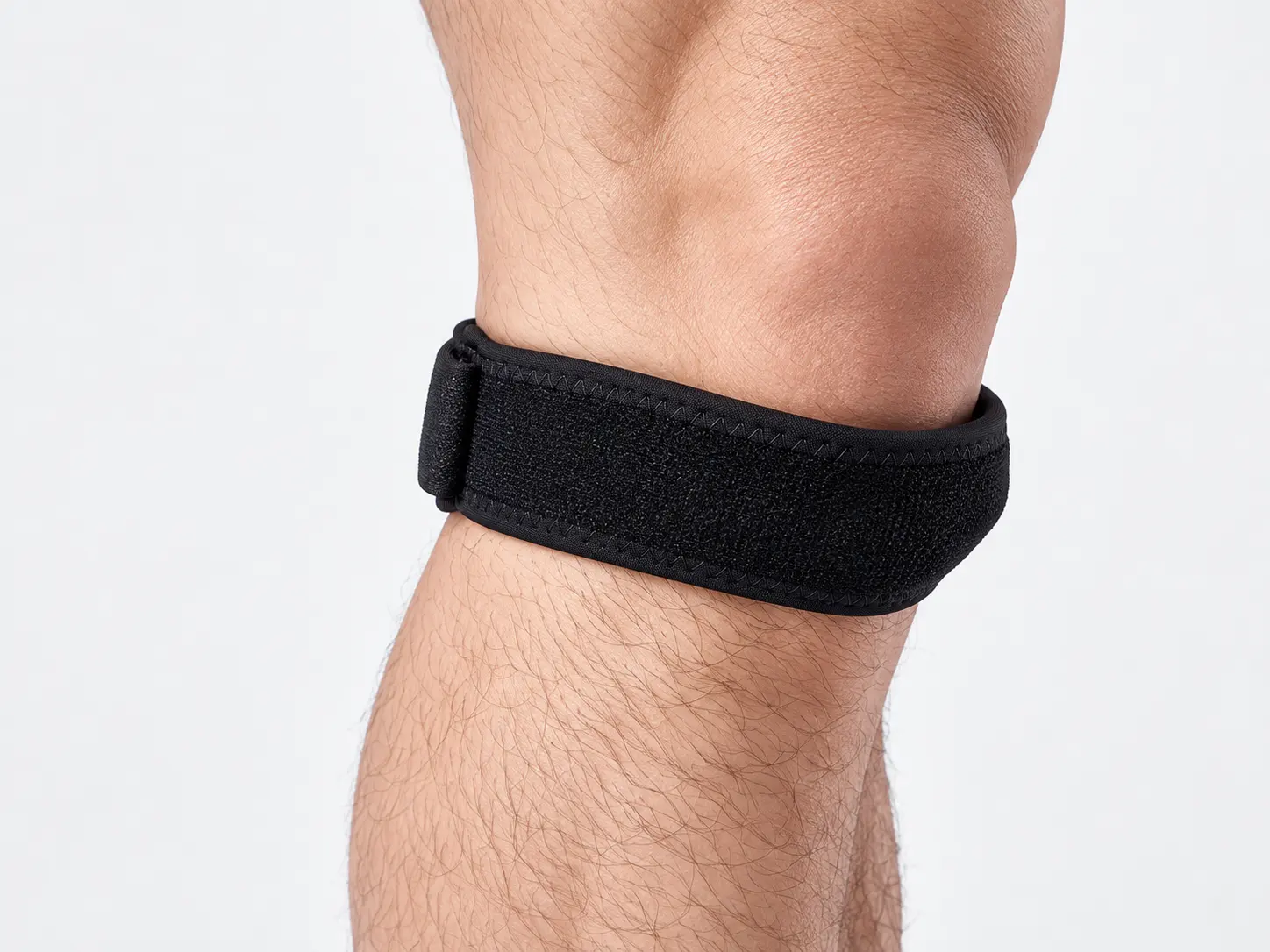
Knee Band
A knee strap worn below the kneecap, with less coverage than a full sleeve. Compare band width, contact-pad design and adjustment range when developing your knee support strap.
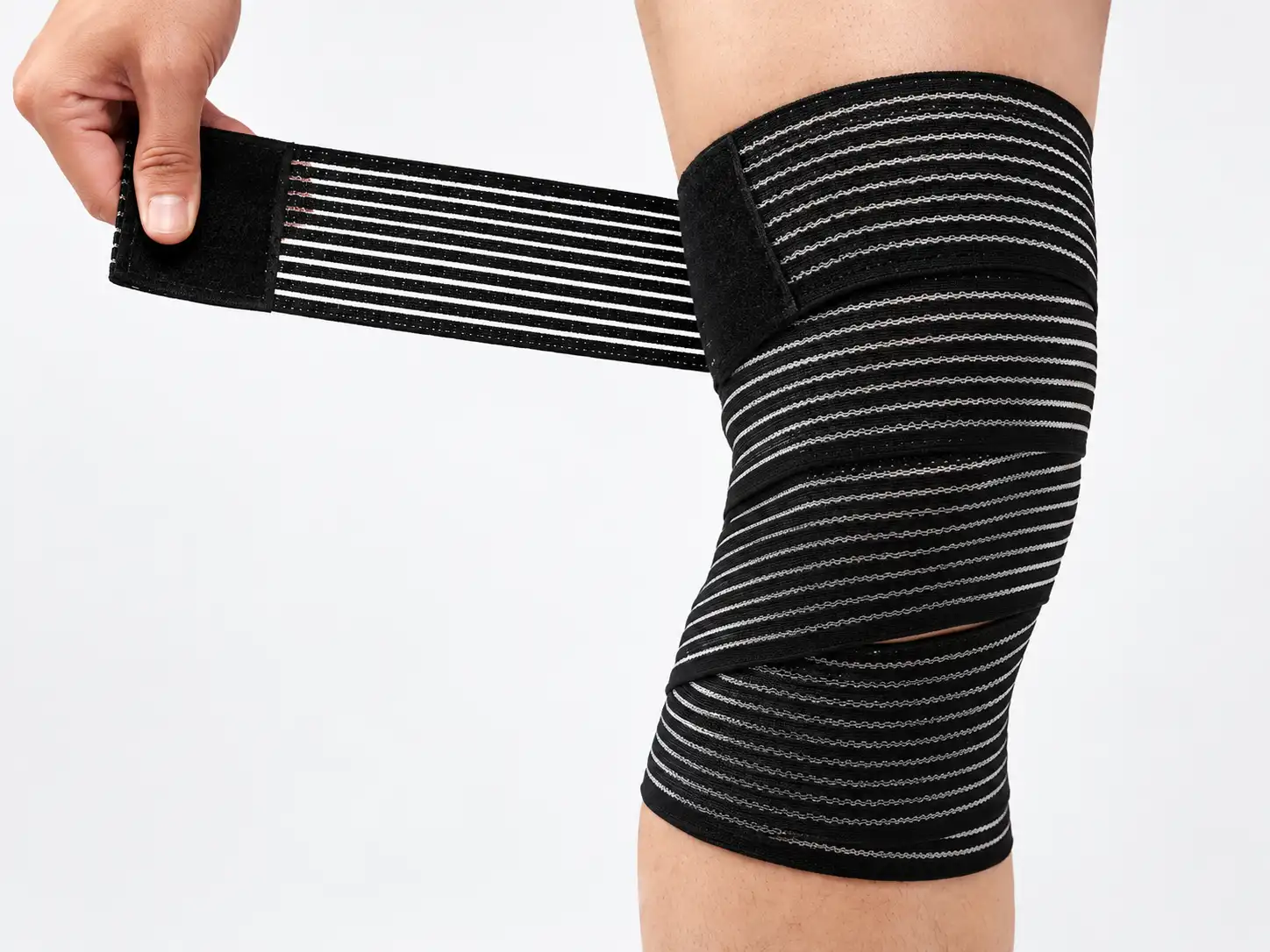
Knee Wrap
A wrap-style option that lets the wearer adjust overlap and tension around the knee. Knee wrap length, width, stretch and fastening method help define the final design.
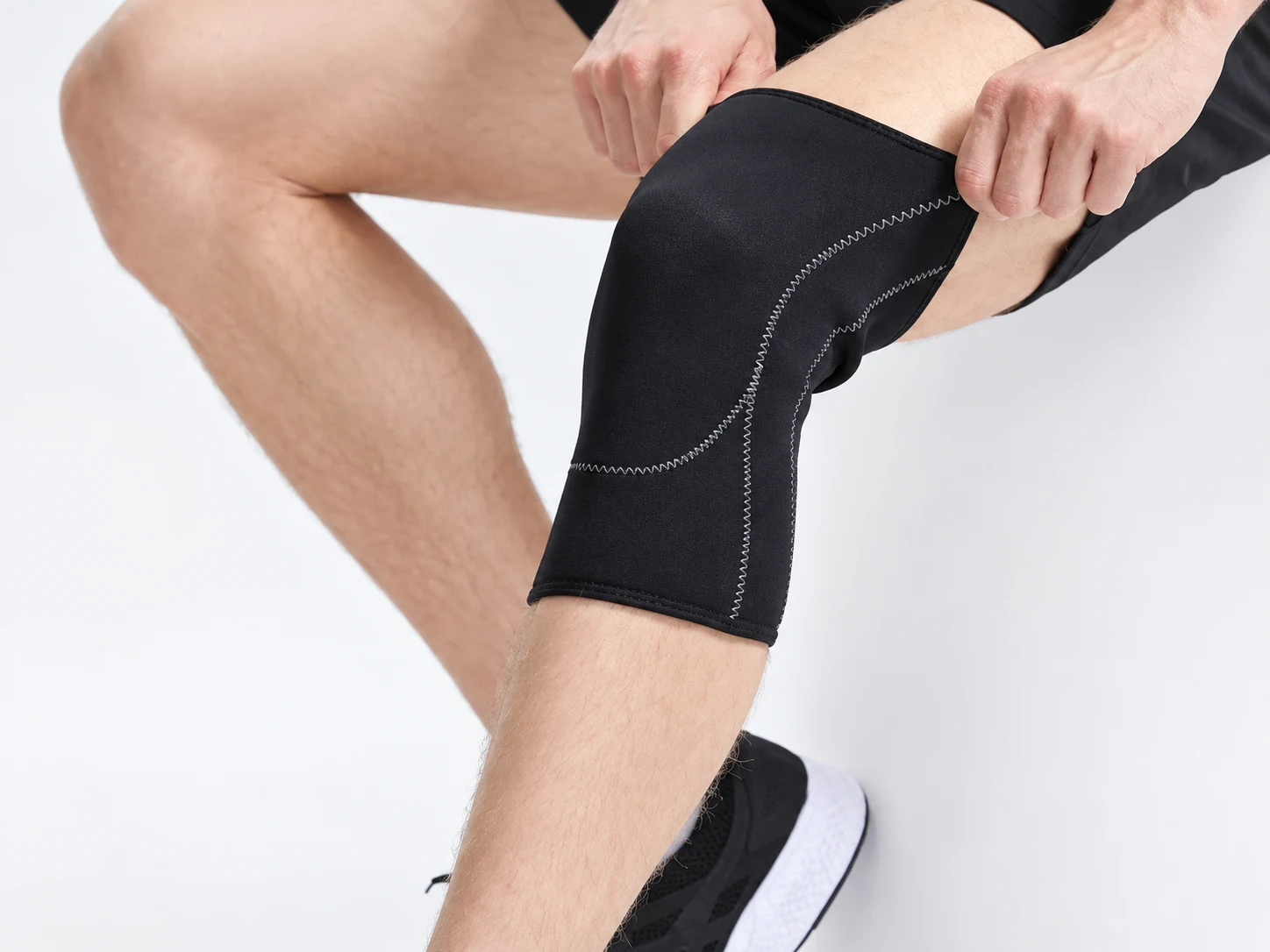
Neoprene Knee Sleeve
A pull-on knee sleeve built around neoprene material. Material thickness, panel shape and seam placement are key choices when balancing bulk, flexibility and fit.
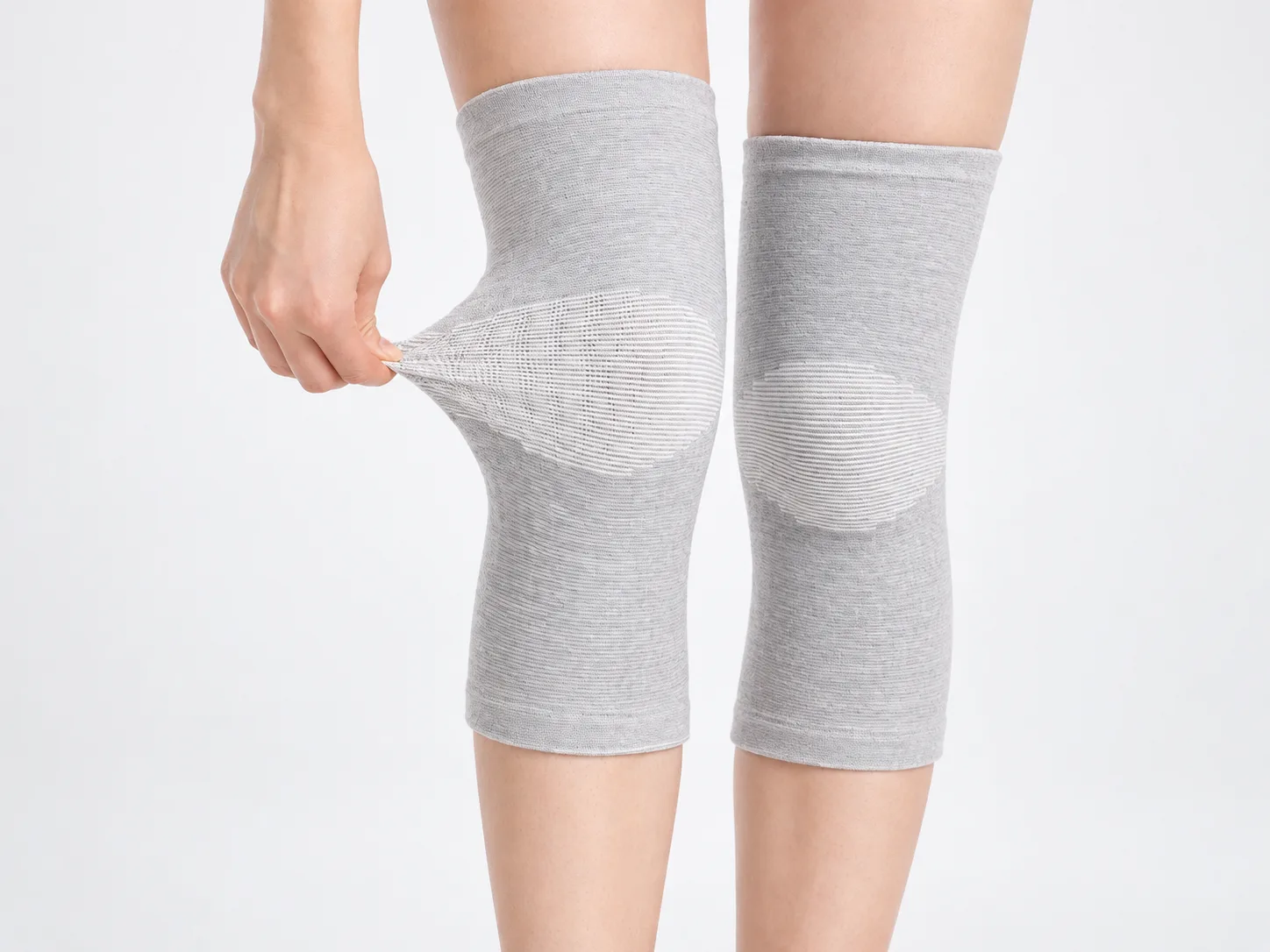
Bamboo Knee Support
A bamboo charcoal fiber textile option for your knee support collection. Compare the complete fiber blend, fabric weight and stretch rather than selecting by the bamboo name alone.
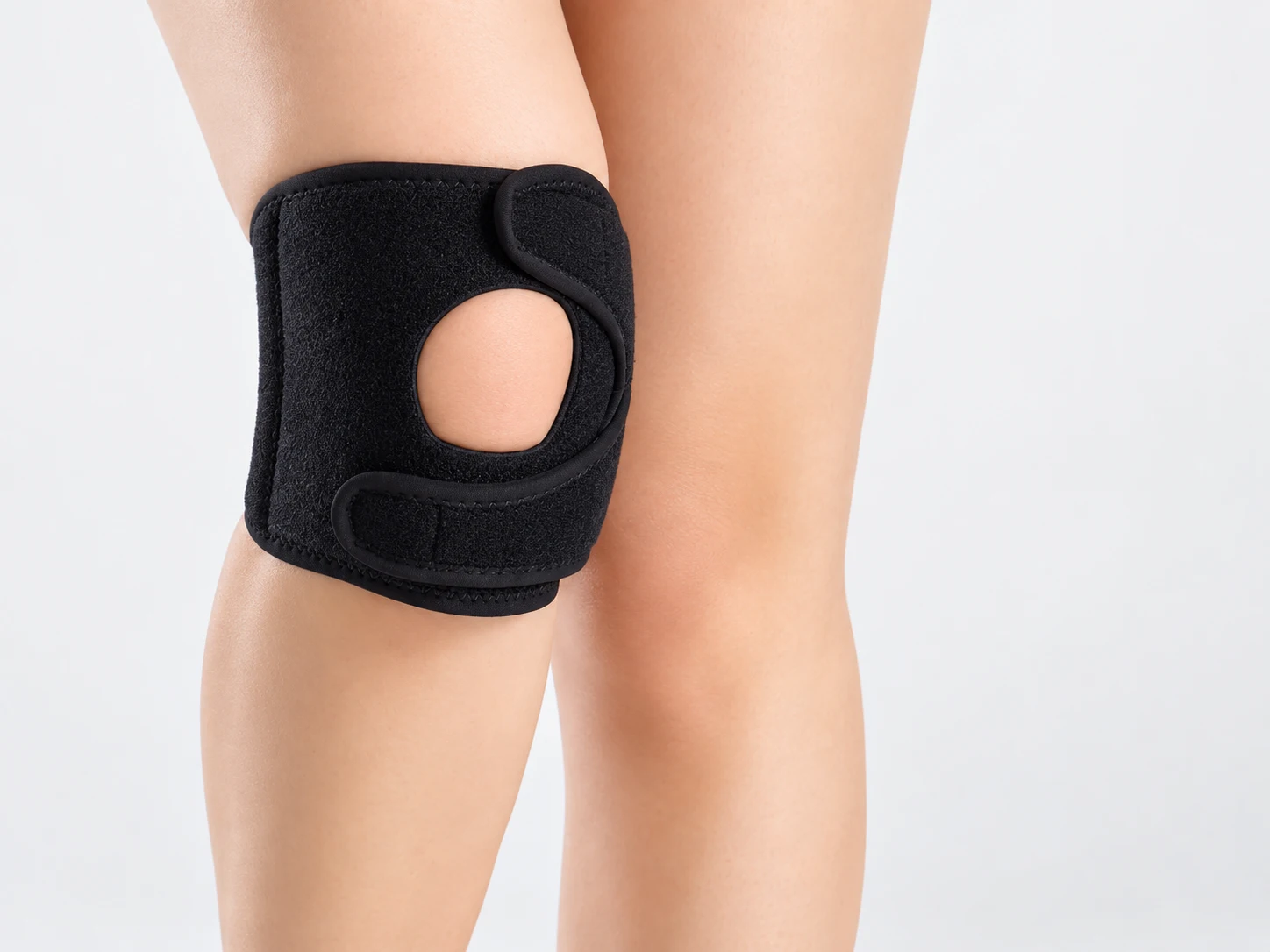
Open Patella Knee Support
A knee support with an opening over the kneecap. Opening shape, surrounding construction and fit help distinguish one model from another.
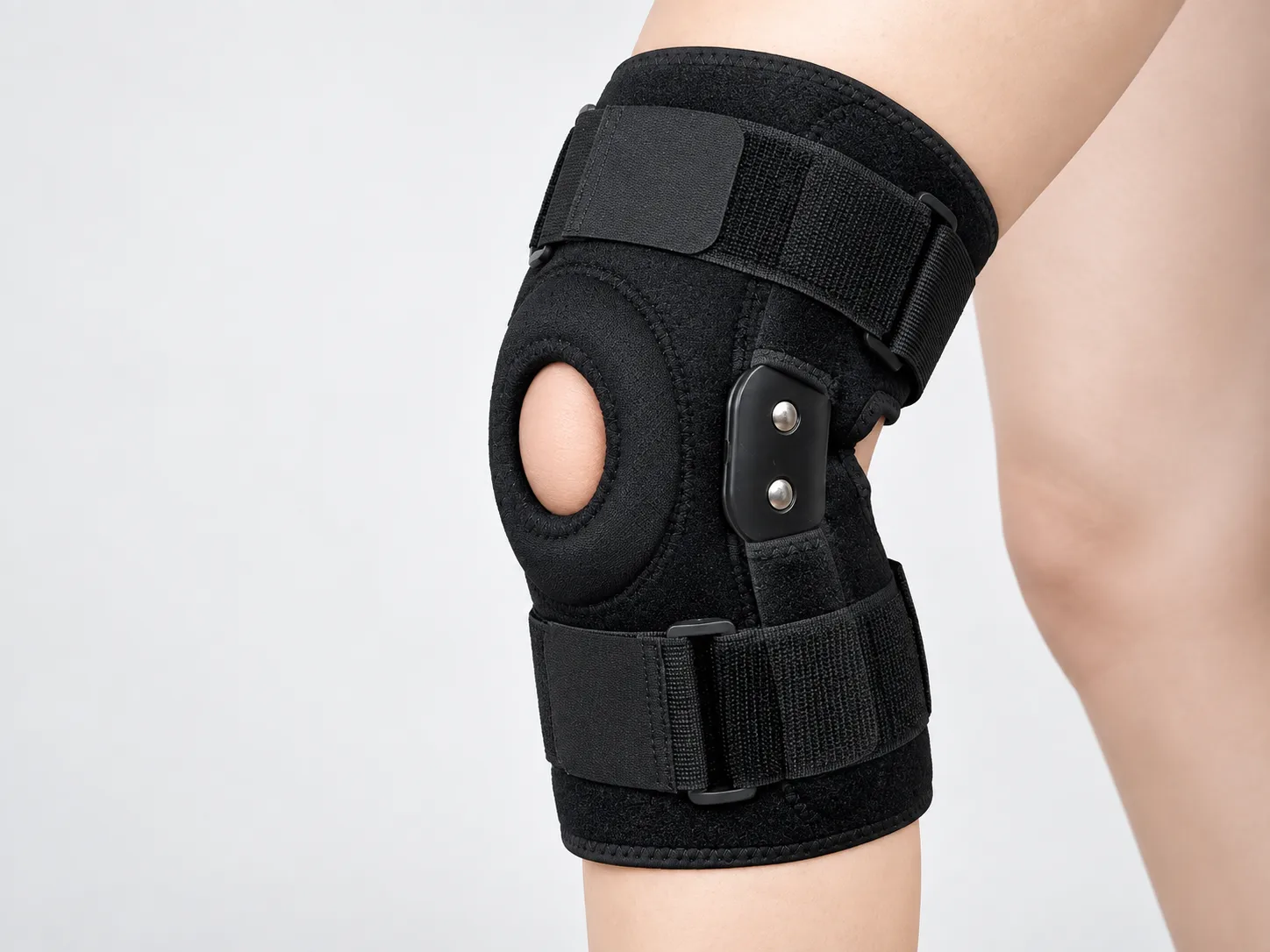
Hinged Knee Support
A hinged knee support helps stabilize the ACL/MCL and reduces lateral movement . Compare hinge design, fastening layout and sizing to define the structure required for your product range.
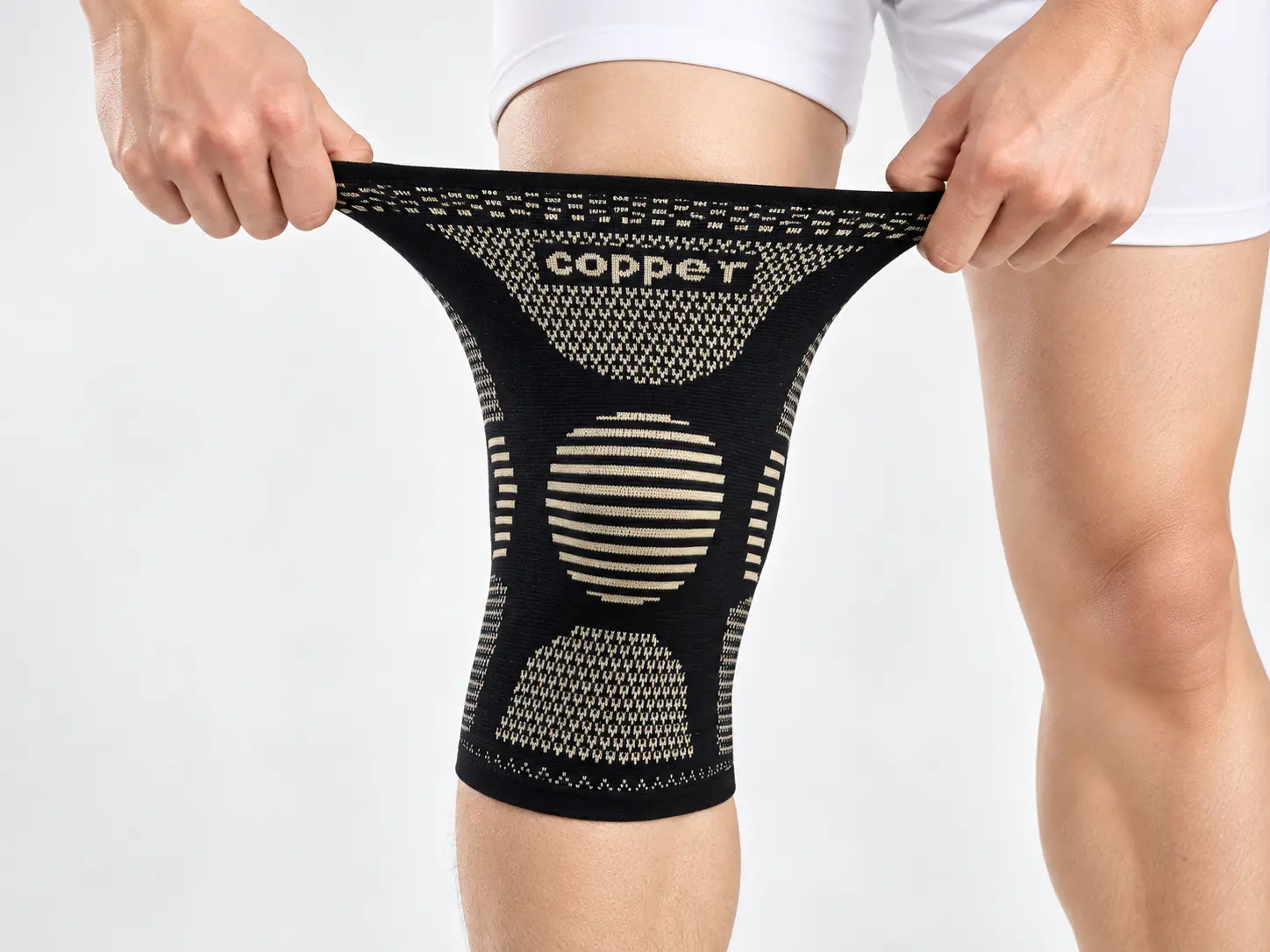
Copper Knee Sleeve
Copper knee support incorporating copper-containing yarn helps control odor . Review the fiber composition, copper integration and labeling requirements as part of product development.
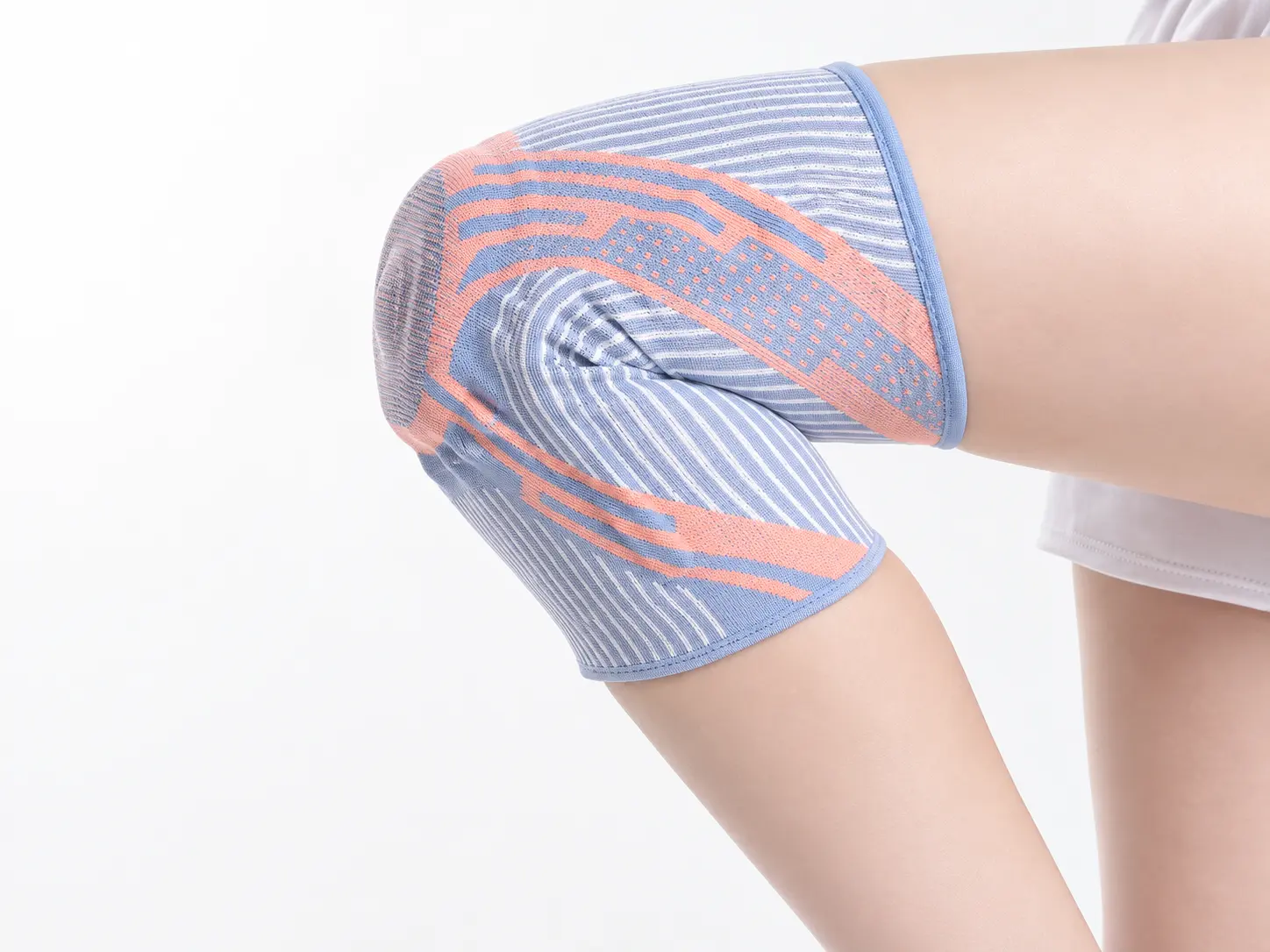
Knee Compression Sleeves
Compression knee sleeves designed for a close fit around the knee. Yarn composition, knit construction, sleeve length and size grading shape how the finished product fits.
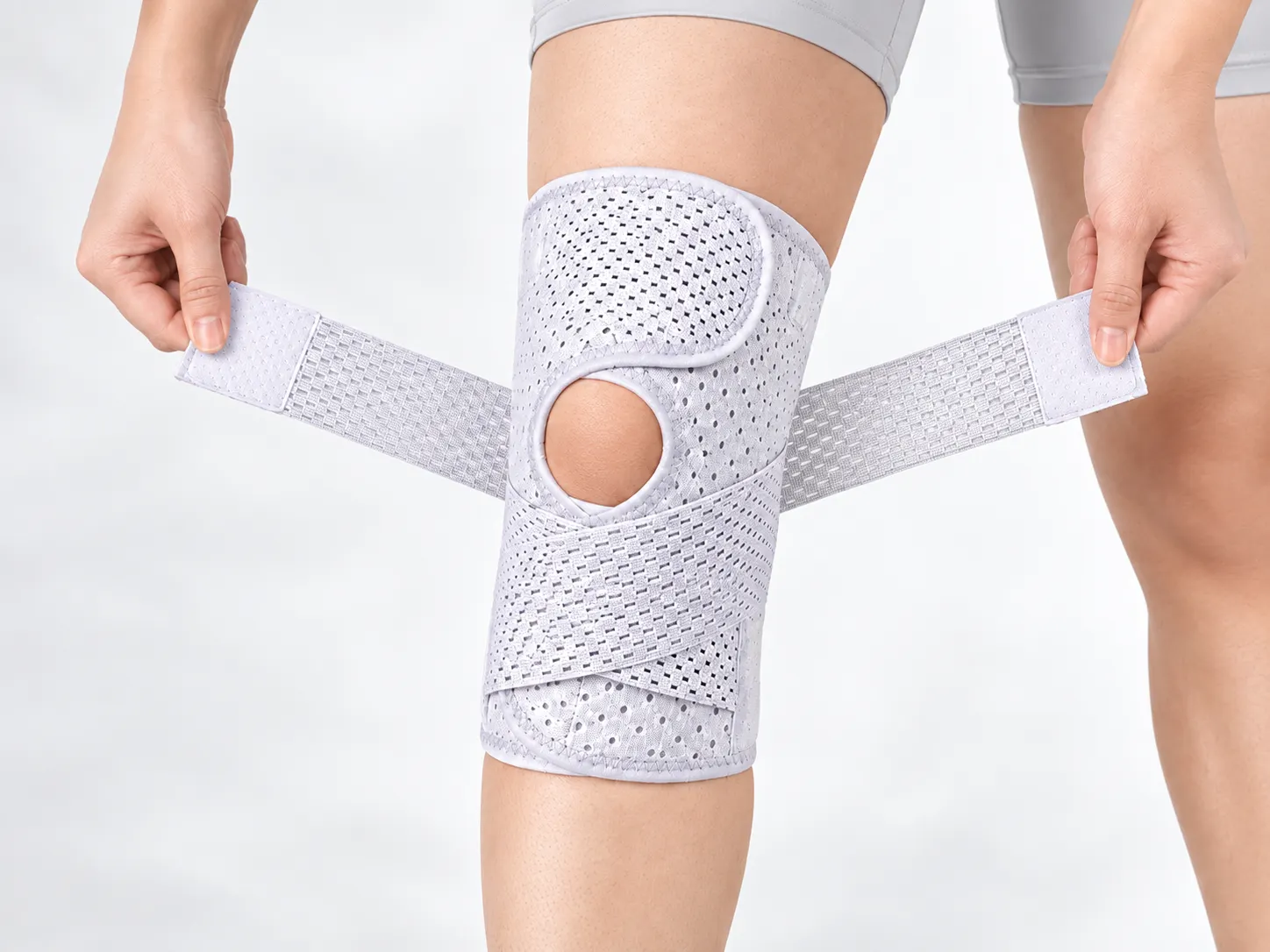
Adjustable Knee Support
A knee support with adjustable closures for changing the fit around the leg. Compare strap placement, closure range and ease of fastening across your intended sizes.
Knee Support vs Knee Brace
Understand the differences between knee support and knee brace,like support level, structure and application to select the right option for your product line.
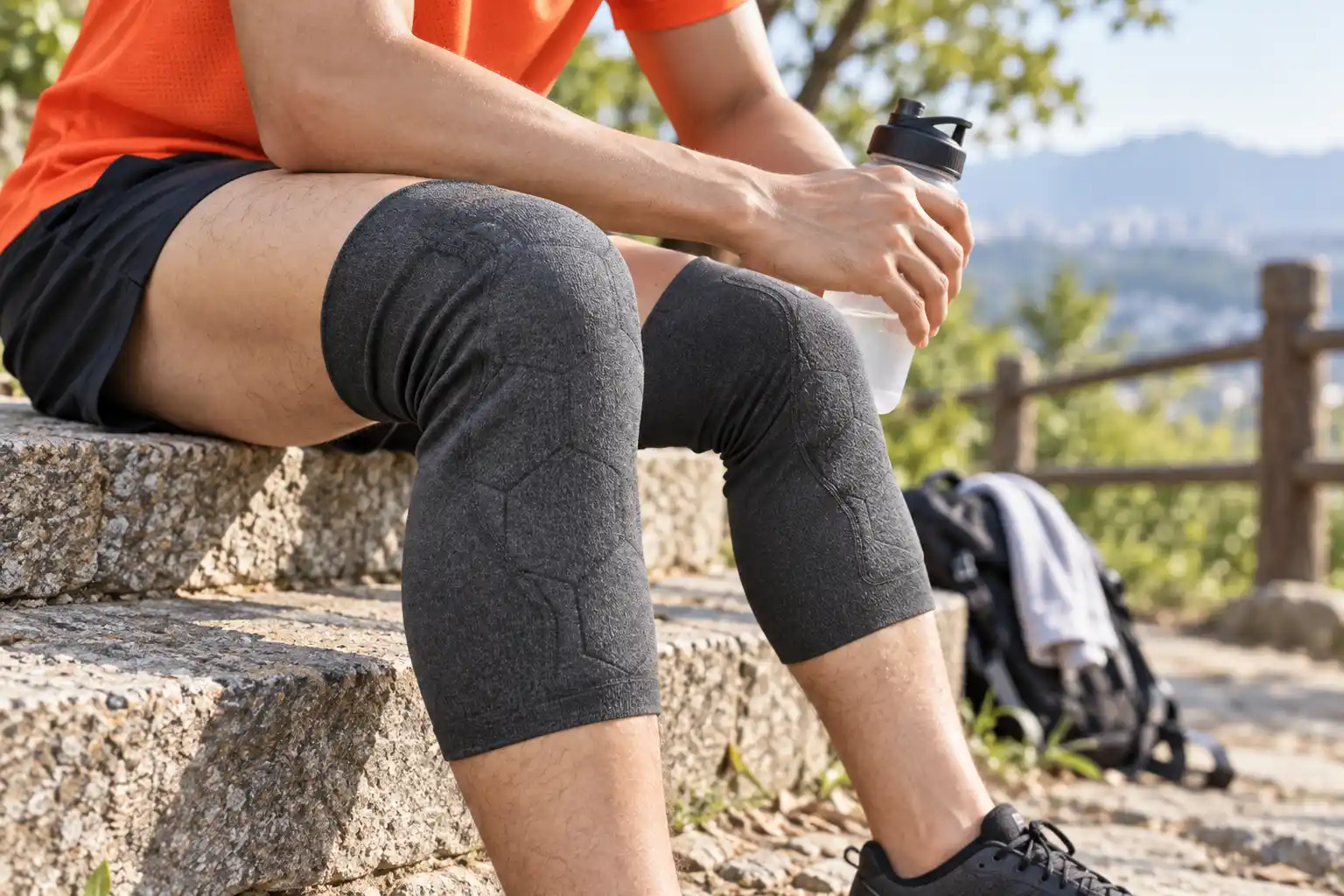
Knee Support & Sleeves
Designed for sports, training and everyday knee support where flexibility, compression and comfort are important.
- Light to moderate support
- Compression for sports and training
- Flexible movement during activity
- Knitted, neoprene and sleeve-style options
- Suitable for running, fitness and team sports
- OEM options for material, color, size and packaging
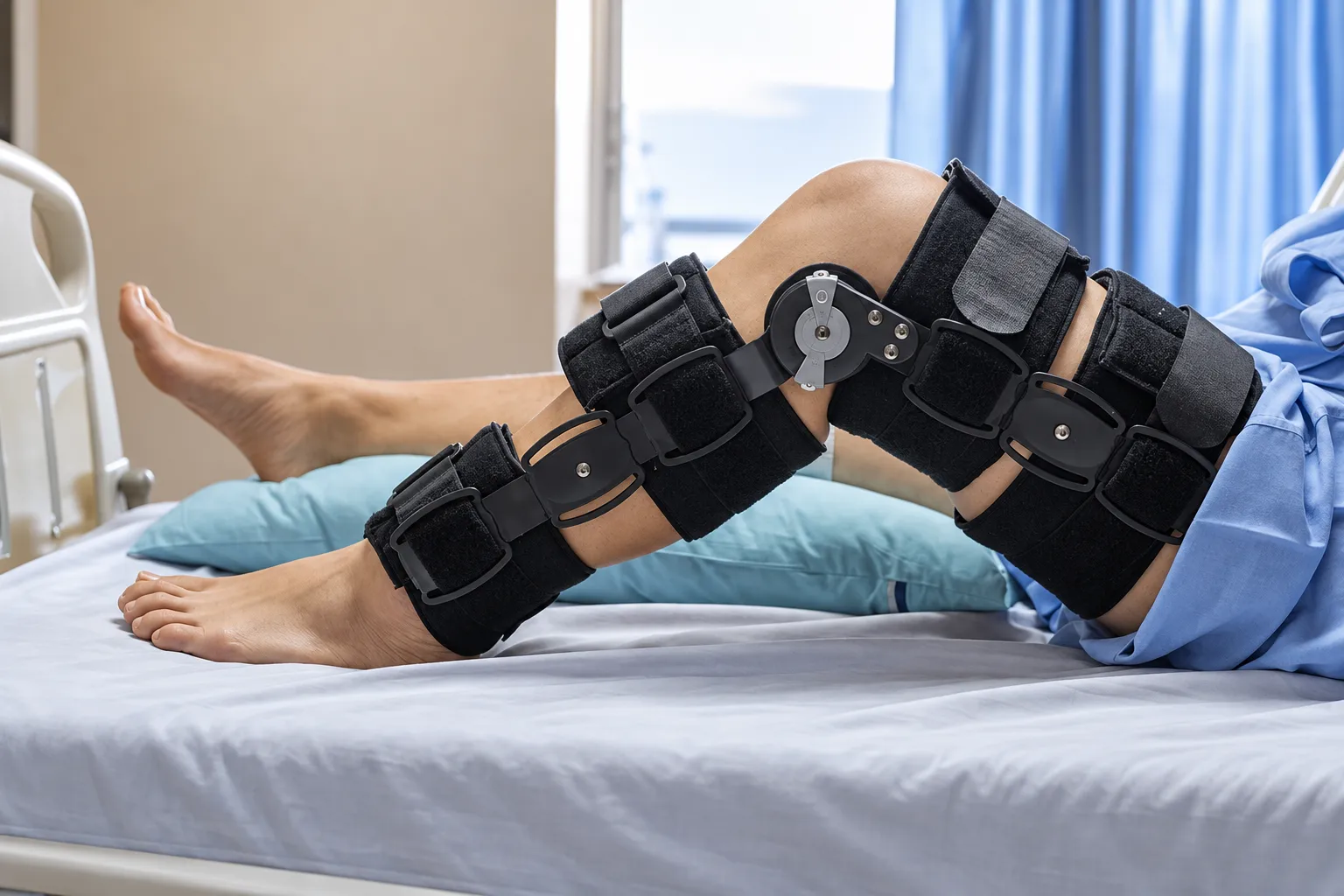
Knee Brace & Immobilizer
Built for applications requiring stronger stabilization, adjustable support and more structured knee protection.
- Moderate to high-level stabilization
- Adjustable strap systems
- Side stays or reinforced support structures
- Hinged and ligament-support options
- Suitable for rehabilitation and stronger support needs
- OEM development for structure, components and sizing
Details That Matter in Knee Support & Sleeves
From edge finishing to support components, each construction detail influences fit, stability, durability and overall product performance.
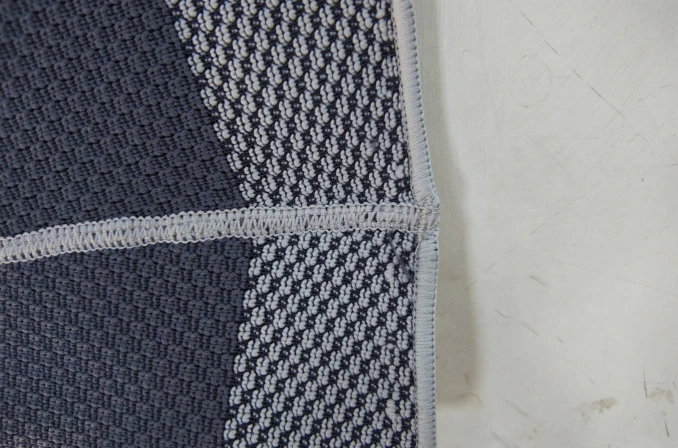 Seams & Edge Binding
Clean stitching and reinforced edge binding help reduce fraying, improve shape retention and maintain comfort during repeated wear.
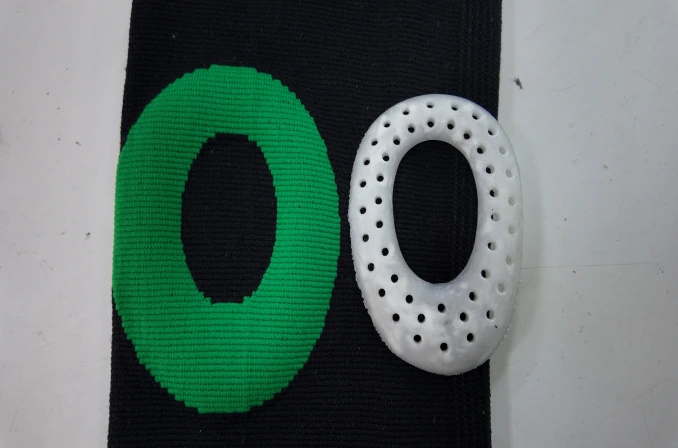 Support Components
Integrated support components can be added according to product structure to improve localized stability without overly restricting movement.
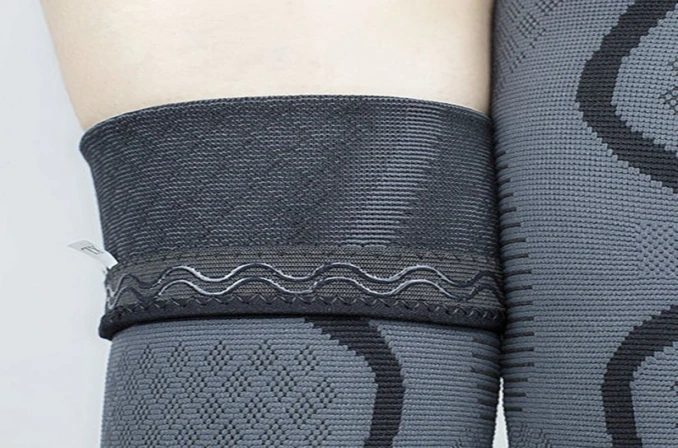 Anti-Slip Strip
Silicone or elastic anti-slip strips help reduce downward movement during sports, training and extended wear.
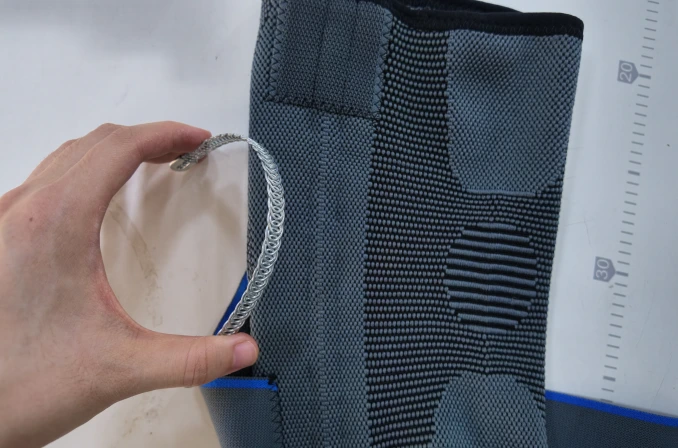 Supporting Metal Stays
Flexible or reinforced metal stays provide added side support and help improve knee stability in products requiring a higher support level.
Customization Capabilities For Knee Support
From materials and colors to branding, packaging, component and sizing, Braces for Sports supports multiple customization options for sports support and brace projects based on your requirements.
Color Customization
Using popular colors with or customing Pantone colors, match product colors to brand identity, product series or target market requirements.
- • Fabric color
- • Strap color
- • Binding & stitching color
- • Custom color combinations

Material Customization
Select and combine materials and yarns according to support level, comfort, breathability and product construction.
- • Neoprene
- • Nylon & polyester
- • Spandex
- • Bamboo Charcoal Fiber

Logo Customization
Apply brand identity to different product materials and structures using suitable logo processes.
- • Screen Printing
- • Woven label
- • Embroidery
- • Heat-transfer branding

Packaging Customization
Develop private-label packaging according to product type, retail channel and brand presentation requirements.
- • Poly bag
- • Color Bag
- • Color Box
- • Display Box

Component Customization
Customize support components and accessory combinations based on product structure, support level and application requirements.
- • Support stays
- • Gel pads
- • Straps & buckles
- • Silicone Anti-Slip Dots

Size Customization
Adjust sizing and fit specifications for different markets, product categories and end-user requirements.
- • Standard Sizing
- • Extended Sizing
- • Custom Sizing

What Goes Into Your Knee Support Price?
Two knee supports can look similar and still have different costs. A useful comparison starts with the same material specification, construction, size mix and packaging.
Materials & Manufacturing
- Price Range: $0.5-$1/piece
- Fabric weight & thickness
- Fiber blend & fabric type
- Neoprene or mesh specifications
Assembly
- Price Range: $0.01-$0.12/piece
- Edge binding method
- Component attachment
- Seam construction
Branding
- Price Range: Free - $0.06/piece
- Logo size
- Artwork complexity
- Woven or printed logo
Packaging
- Price Range: $0.02-$0.4/piece
- Custom printing
- Inserts & instruction cards
- OPP bag or retail box
Mold Cost
* Customize unique products
- Price: Approx. $15/piece
- Mold area
- Mod Quantity
Sea Shipping Cost
- Price: Approx. $0.02/piece
- Port Charge: Approx. $0.08/piece
- Total order CBM
- Total order quantity
From Material to Finished Knee Support
From material preparation to packing, each step is adapted to the knee support & sleeve structure and project requirements.
1.Material Preparation
Fabric, neoprene, elastic bands, support components and trims are checked and prepared for production.
2.3DKnitting / Cutting
Depending on the product structure, materials are either 3D knitted to shape or cut according to patterns.
3.Sewing & Assembly
Panels, straps, edge binding and support components are sewn and assembled into the knee support.
4.Install Component
Anti-slip strips, metal stays, silicone parts, pads or other functional components are installed where required.
5.Quality Inspection
Size, stitching, appearance, component placement and basic performance are checked before packing.
6.Packing & Shipment
Finished products are folded, packed according to the required packaging format and prepared for shipment.
Manufacturing Sports Support Products Since 2004
Braces for Sports is a B2B brand of Wayeah International Trading Co., Ltd. Established in 2004 and based in Yangzhou, Jiangsu, China, we focus on the manufacturing of Sports Support, Medical Braces, Braces for Kids, and Sports Accessories.
Operating as a dedicated B2B partner, we support OEM and ODM manufacturing projects. Our customers include sports brands, distributors, importers, private-label sellers, retail chains, and wholesalers worldwide who require reliable production structures and consistent quality standards.
Certifications for Meeting Global Standards
Compliance needs differ across product types and target markets. We can support projects with the compliance-related materials required for customer review and market entry.

ISO 13485

CE

BSCI

FDA

ISO 9001

Patent License

ISET

PPWR
Frequently Asked Questions
Answers to common questions about knee support manufacturing including materials, customization, sampling, production, quality checks and bulk orders for knee support projects.
What is the typical MOQ for knee support orders?
Can you manufacture different types of knee supports?
What materials can be used for knee supports?
Can the material, color and size be customized?
Can I add my own logo and packaging?
How long does sample development take?
Do different knee support styles use different production processes?
How do you inspect knee supports before shipment?
Can you produce knee supports with anti-slip strips or metal stays?
Do you support OEM and ODM knee support projects?
What information should I provide to request a quote?
Can you handle bulk production after sample approval?
Have a Knee Support & Sleeve in Mind?
Send us your reference product, photos, specifications or target product idea. We can review the construction, customization requirements and suitable development route before moving to sampling.
Email Us
info@bracessupport.com
Phone/Whatsapp
18168656347
Location
Unit 816-818, No.56 Wenchang West Road
Yangzhou, Jiangsu, China, 225009
The Guide For Knee Brace & Sleeve
A practical guide to knee brace function, fit, support levels, product structure and sourcing considerations.
1. What does a knee brace do?
A knee brace provides structural support, compression, and stability to the knee joint. It helps manage pain, reduces the risk of injury during physical activity, and supports the recovery process for existing conditions by limiting harmful movements and improving proprioception.
Product Insight:
Different braces achieve this through varying mechanisms—compression sleeves enhance blood flow and warmth, while hinged braces physically restrict the range of motion to prevent hyperextension.
Manufacturer Insight:
The efficacy of a brace heavily relies on the material's elasticity retention and the structural integrity of its stays or hinges. We test our fabrics for shape retention over thousands of stretch cycles to ensure consistent compression.
2. How to put on a knee brace?
Proper application depends on the brace's core structure. For a closed sleeve, it is pulled over the foot and calf until the patella tracking ring aligns perfectly with the kneecap. For open wrap-around designs, the brace is positioned behind the knee, aligning the medial and lateral support structures before securing the straps from bottom to top.
Product Insight:
Misalignment of the patella ring or side hinges can cause severe discomfort and reduce the brace's biomechanical effectiveness, potentially leading to uneven pressure distribution.
Manufacturer Insight:
We design our wrap-around models with highly visible alignment markers and utilize micro-hook hook-and-loop fasteners that are easy to adjust without fraying the main fabric during repeated applications.
3. How long should you wear a knee brace?
The duration of wear is dictated by the specific application and medical guidance. For sports and injury prevention, braces are typically worn strictly during the activity. For post-operative recovery, continuous wear during waking hours may be required.
Product Insight:
Prolonged reliance on heavy, rigid braces without accompanying physical therapy can lead to muscle atrophy, as the external structure takes over the stabilizing work of the surrounding muscles.
Manufacturer Insight:
To support extended wear protocols, we integrate moisture-wicking yarns and highly breathable perforated neoprene alternatives, ensuring thermal regulation and reducing skin maceration for all-day comfort.
4. Should I wear a knee brace at night?
Wearing a standard supportive knee brace during sleep is generally not advised, as it can restrict blood circulation and cause joint stiffness. Exceptions exist primarily for post-surgical immobilizers explicitly prescribed by healthcare professionals.
Product Insight:
While mild compression sleeves can sometimes be worn during rest to maintain joint warmth, rigid structures and tight strapping systems should be completely avoided overnight.
Manufacturer Insight:
For specialized overnight recovery products, we select ultra-soft, low-compression knitted fabrics with seamless construction to eliminate localized pressure points while providing gentle, continuous warmth.
5. How to wash a knee brace?
Maintenance is crucial for product longevity. Most knee braces require hand-washing in cold or lukewarm water using a mild, non-abrasive detergent. They must be air-dried flat, strictly avoiding direct sunlight or artificial heat sources.
Product Insight:
Machine washing and tumble drying rapidly degrade elastane fibers, warp thermoplastic components, and cause hook-and-loop fastening systems to accumulate lint and lose their grip strength.
Manufacturer Insight:
We incorporate antimicrobial treatments directly into our base materials during the yarn extrusion and fabric dyeing processes. This reduces the frequency of washing required and extends the structural lifespan of the brace.
6. What are the different types of knee braces?
Knee braces are systematically categorized by the level of mechanical support they provide. Understanding these classification levels is crucial for matching the product to the user's specific biomechanical needs and activity intensity.
Product Insight:
- Soft Support — compression sleeves and knitted supports
- Semi-Rigid Support — straps, pads, springs or flexible stays
- Rigid Support — frames, hinges and motion-control structures
Manufacturer Insight:
From a production standpoint, transitioning from soft to rigid support introduces complex multi-material assembly. We utilize advanced high-frequency bonding and automated stitching to seamlessly integrate rigid components into soft fabrics without creating structural weak points.
7. How to measure for a knee brace?
Accurate anatomical measurement is critical for a functional fit. The standard protocol requires measuring the circumference of the thigh (typically 4 to 6 inches above the patella center) and the calf (below the patella), using a flexible tape while standing with a slight knee bend.
Product Insight:
Sizing charts vary significantly across brands and models. A medium in a knitted sleeve might correspond to a large in a rigid hinged brace, making precise measurements essential—especially for e-commerce where physical try-ons are impossible.
Manufacturer Insight:
We assist our B2B clients in developing localized sizing charts based on anthropometric data. A product destined for the European market requires a different grading scale and taper ratio than one designed for the Asian market, ensuring lower return rates for retailers.
8. How tight should a knee brace be?
A knee brace should deliver snug, secure support without causing painful constriction. A general rule is being able to slide two fingers beneath the top edge of the brace. If the user experiences numbness, tingling, or skin discoloration, the compression level is dangerously high.
Product Insight:
Adjustable strapping systems offer the best solution for fluctuating joint swelling. A brace that fits perfectly in the morning might become overly restrictive by the evening if the knee accumulates fluid.
Manufacturer Insight:
We engineer our compression zones with graduated tension mapping, ensuring secure placement around the joint center while preventing the proximal and distal edges from digging into the skin or rolling down during dynamic movement.
9. Can I wear a knee brace over pants?
For optimal performance, a knee brace should be worn directly against the skin or over highly fitted, thin athletic base layers. Wearing a brace over loose trousers causes the material to bunch, leading to migration and a complete loss of structural support.
Product Insight:
Direct skin contact is necessary for internal silicone anti-slip mechanisms to function properly, creating friction that maintains the brace's position during high-intensity activities.
Manufacturer Insight:
Our internal anti-migration wave patterns are applied using medical-grade, hypoallergenic silicone to ensure maximum adherence to the skin without causing dermatitis, even during heavy perspiration.
10. How to choose the right knee brace size?
Selecting the correct size goes beyond matching a measurement to a label. It requires aligning the user's specific anatomical dimensions with the product's underlying structural design and material behavior.
Product Insight:
- Target-market body measurements
- Fabric stretch
- Product length
- Strap adjustment range
- Component position
Manufacturer Insight:
During the development phase, we rigorously evaluate the stretch modulus of the chosen fabric. If a brand requests a switch from standard neoprene to a highly elastic 3D knit, the entire cutting pattern must be recalibrated to maintain the same compressive force.
11. How much does a knee brace cost?
Retail pricing varies drastically based on the level of support, material technology, and brand positioning. Basic prophylactic compression sleeves are highly accessible, whereas complex off-loading braces featuring aerospace-grade aluminum hinges represent a significant investment.
Product Insight:
For procurement teams, the cost structure must align with the target audience. A clinical-grade product requires different material durability and structural complexity compared to a general wellness support.
Manufacturer Insight:
We assist brands in optimizing their Bill of Materials (BOM). By standardizing hidden components—such as internal EVA padding or strap webbings—across multiple SKUs, we can significantly reduce the unit cost without sacrificing external aesthetic quality or biomechanical performance.
12. Where can I buy a knee brace?
Knee braces are distributed through pharmacies, specialized sporting goods retailers, physical therapy clinics, and online e-commerce platforms. The chosen distribution channel heavily dictates the technical complexity of the products available.
Product Insight:
Clinical settings typically dispense rigid, highly specialized custom or semi-custom braces, while retail and e-commerce channels dominate the high-volume market for soft and semi-rigid preventative supports.
Manufacturer Insight:
We engineer packaging specifically for the intended sales channel. E-commerce products receive compact, lightweight polybags or mailers to minimize dimensional weight shipping costs, while physical retail products feature high-visibility display boxes with clear sizing and feature communication.