
Custom Ankle Support Manufacturer
OEM and ODM ankle supports for sports brands, distributors and private-label programs, covering compression sleeves, elastic wraps, neoprene supports and differentiated textile constructions.
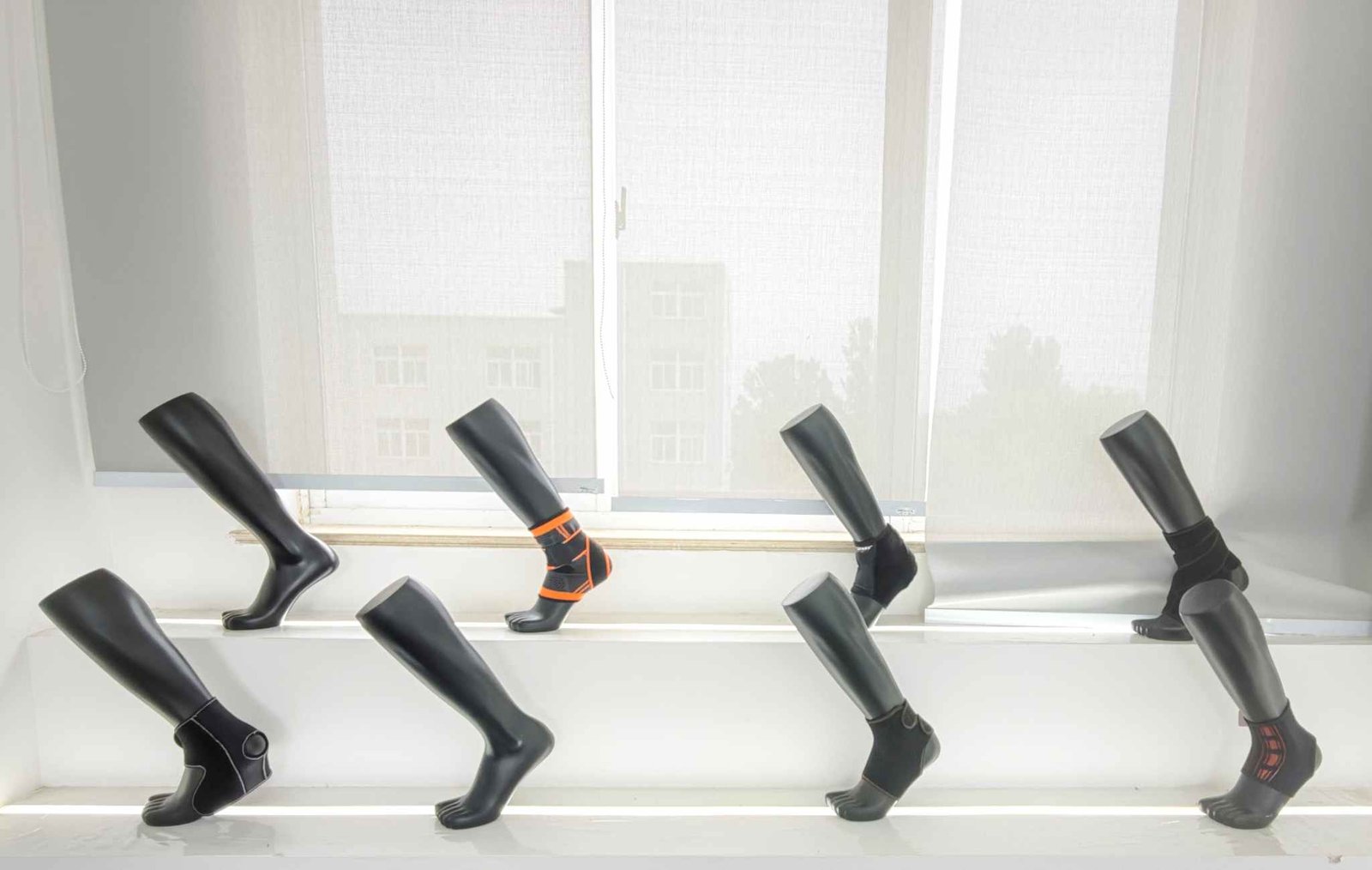
Ankle Supports for Different Product Programs
Compare materials, manufacturing routes, support levels and sports applications to select the right starting point for your product program.
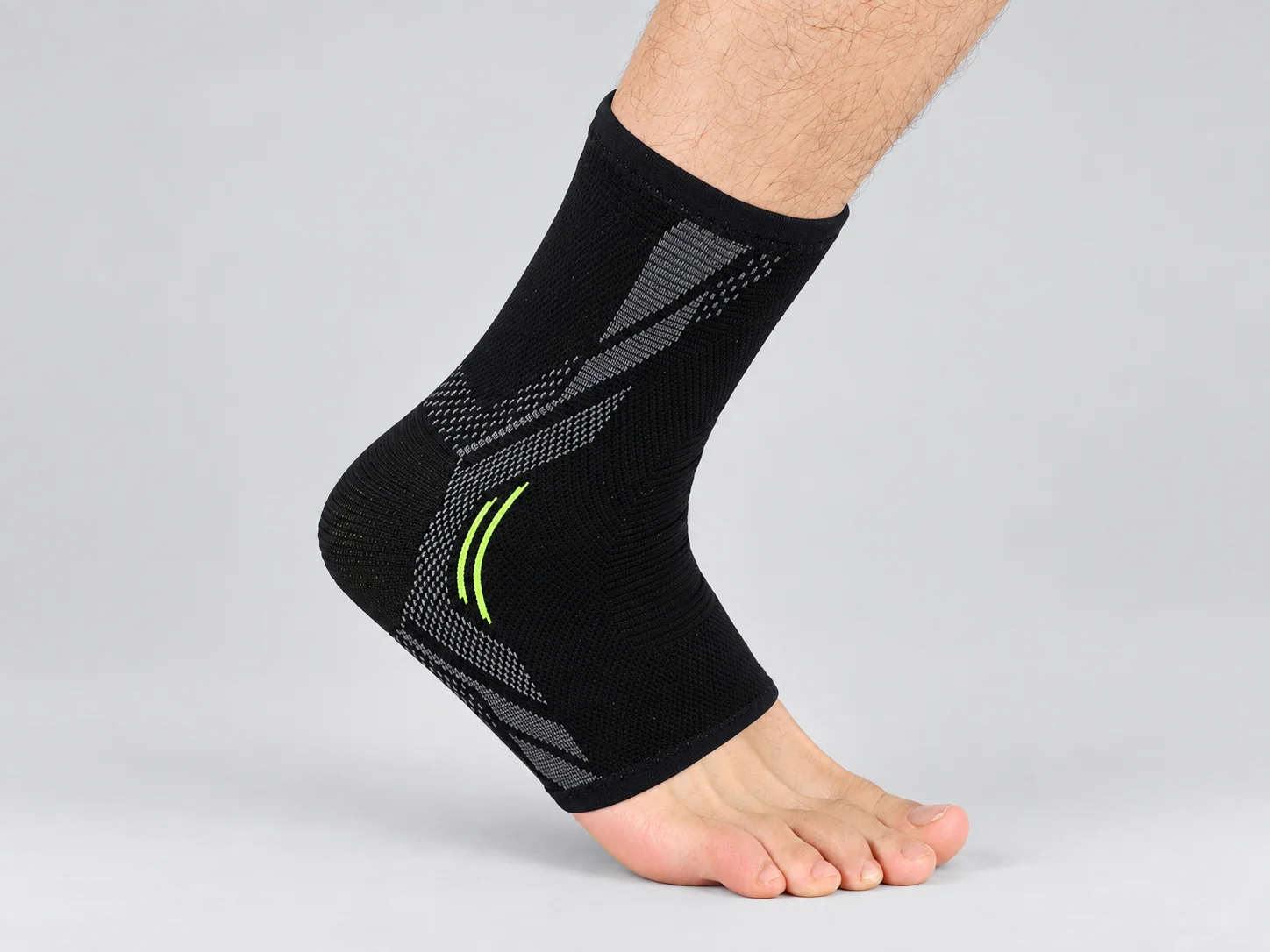
Compression Ankle Sleeve
A low-profile knitted sleeve designed around elastic compression and close-to-foot fit, suitable for sports, training and everyday support programs.
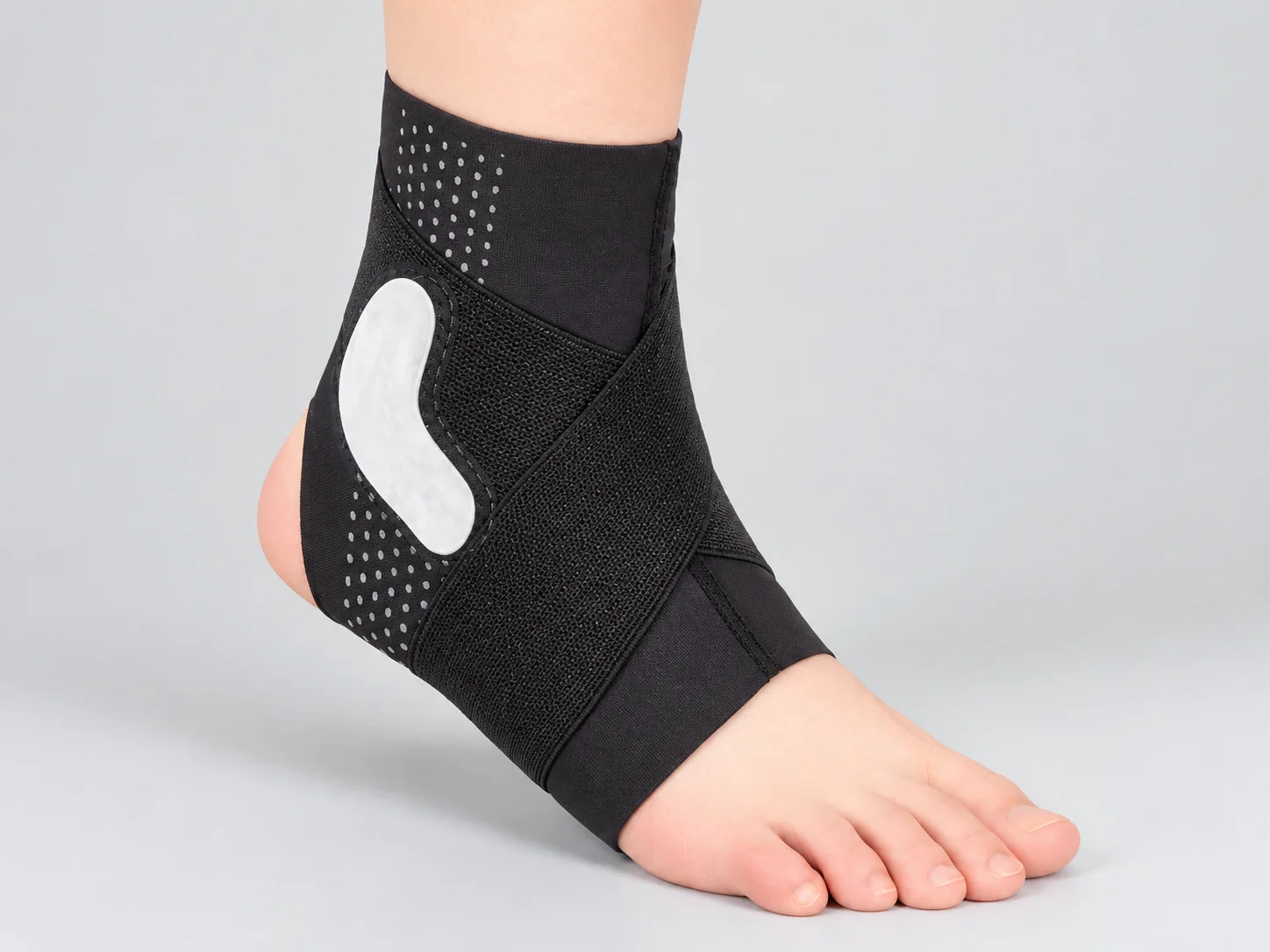
Gel Pad Ankle Support
A knitted compression ankle support with strategically positioned gel or silicone cushioning around the ankle area for a more structured product configuration.
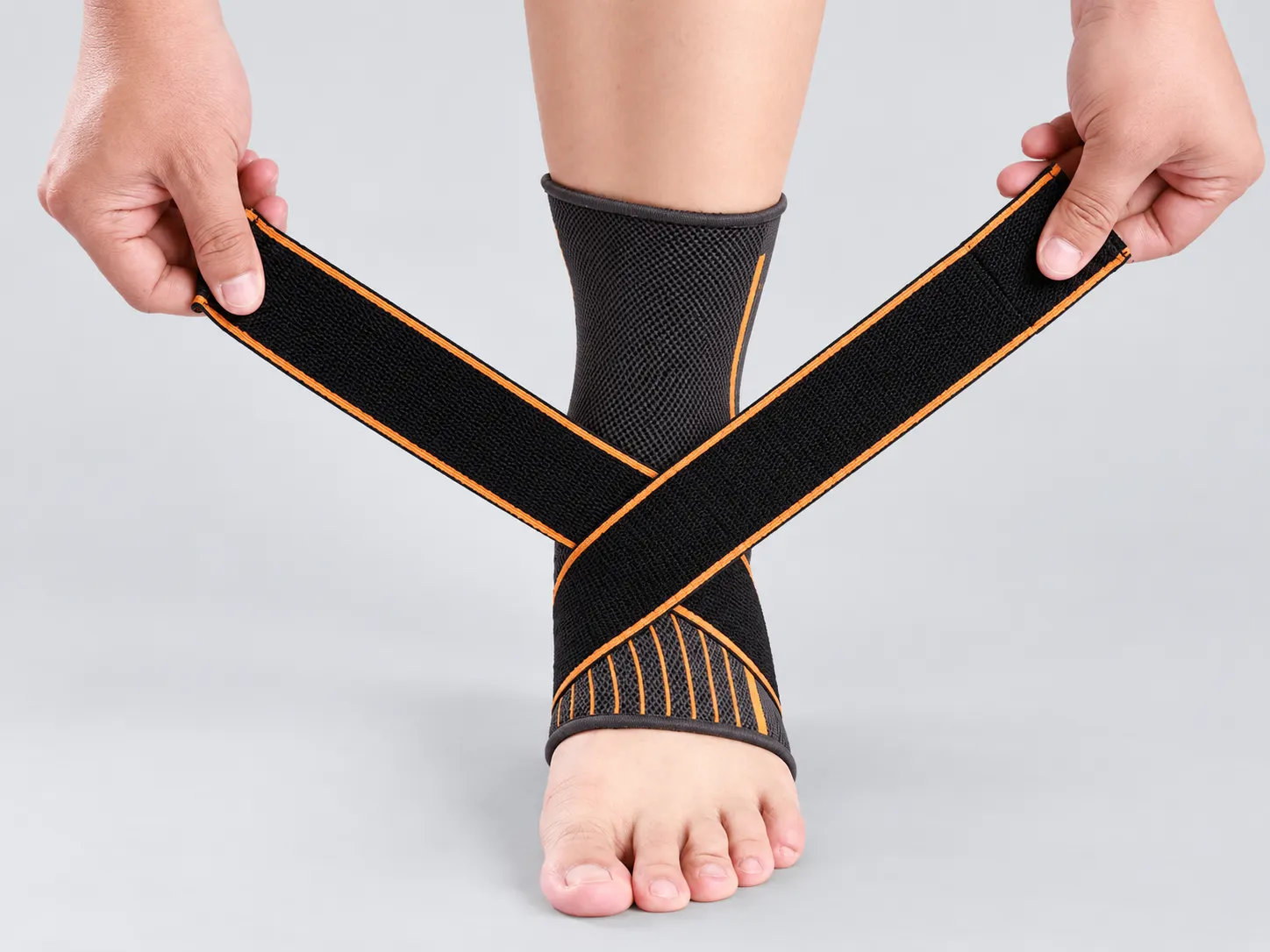
Figure-8 Elastic Ankle Wrap
An adjustable wrap using a figure-8 strap path to create targeted compression around the ankle while retaining a relatively low-profile construction.
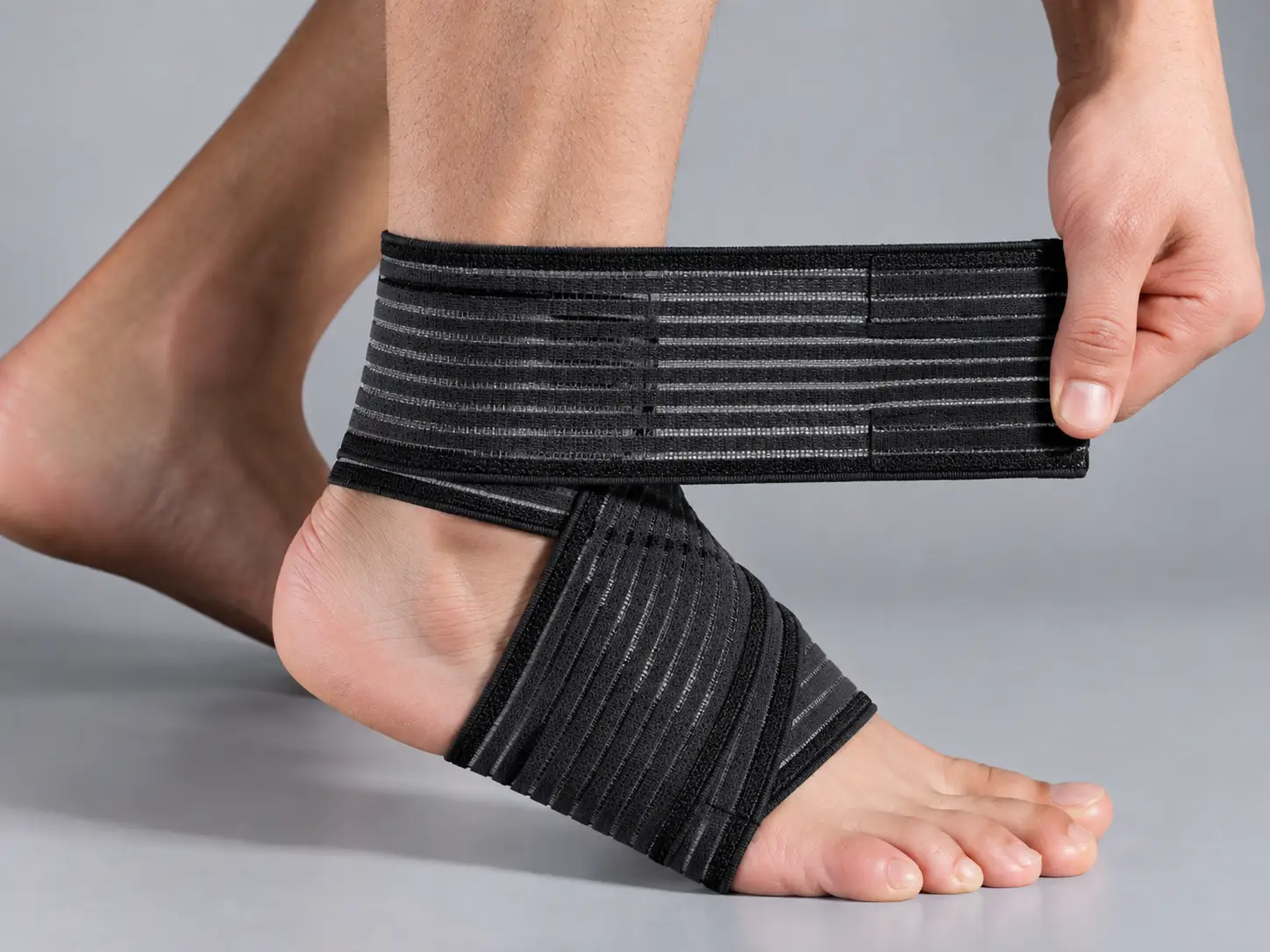
Elastic Ankle Wrap
A lightweight elastic wrap designed to provide adjustable circumferential compression. Its simple wrap construction allows users to control tightness.
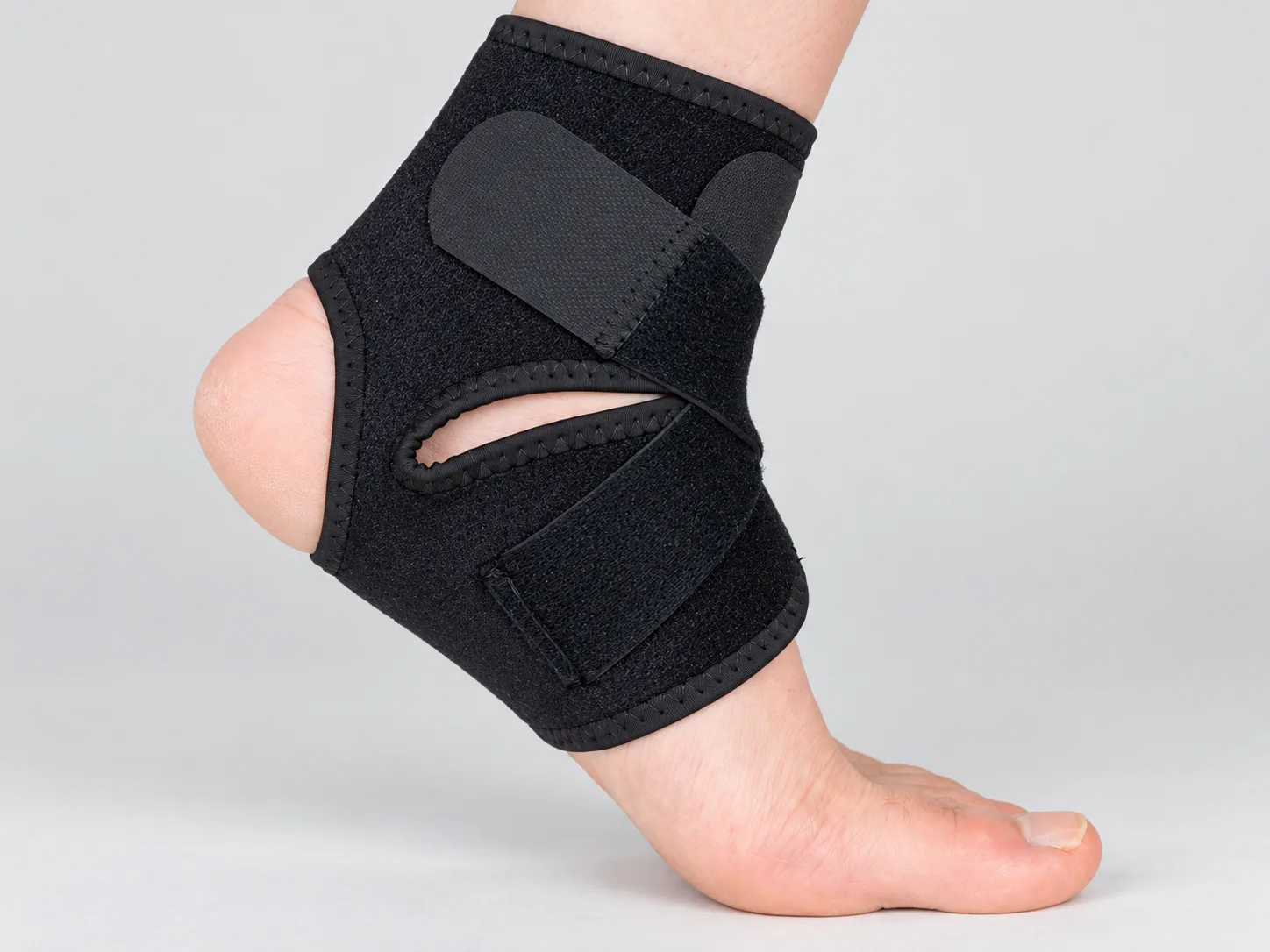
Neoprene Ankle Support
A cut-and-sewn ankle support using elastic neoprene construction to provide cushioning, coverage and adjustable compression in a durable sports-support format.
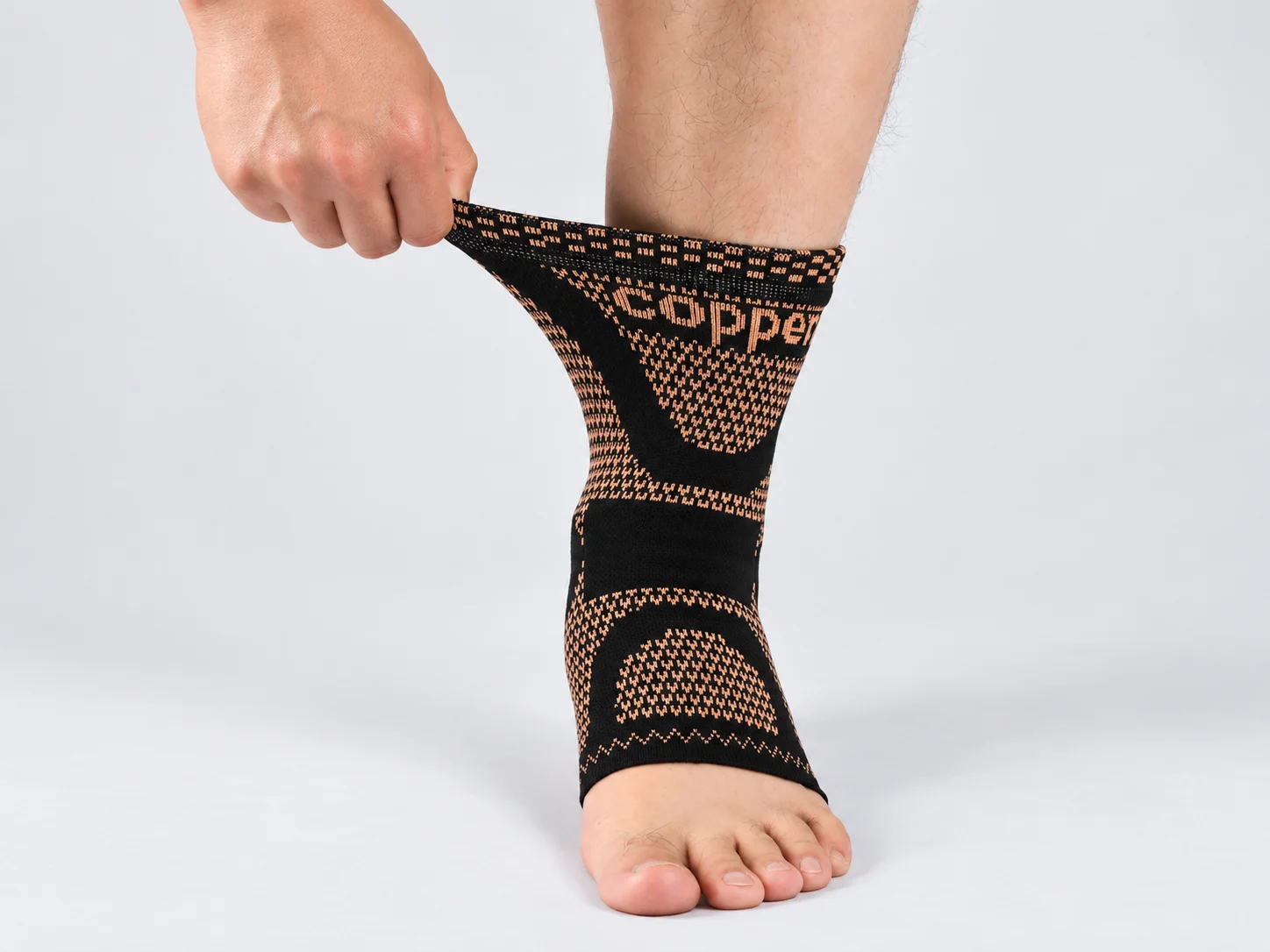
Copper Ankle Support
A knitted compression ankle support made with copper-infused yarn for brands looking to differentiate their textile-based ankle support range.
Ankle Support vs Ankle Brace
Understand the structural and functional differences between ankle supports and ankle braces
before selecting the right direction for your product line.
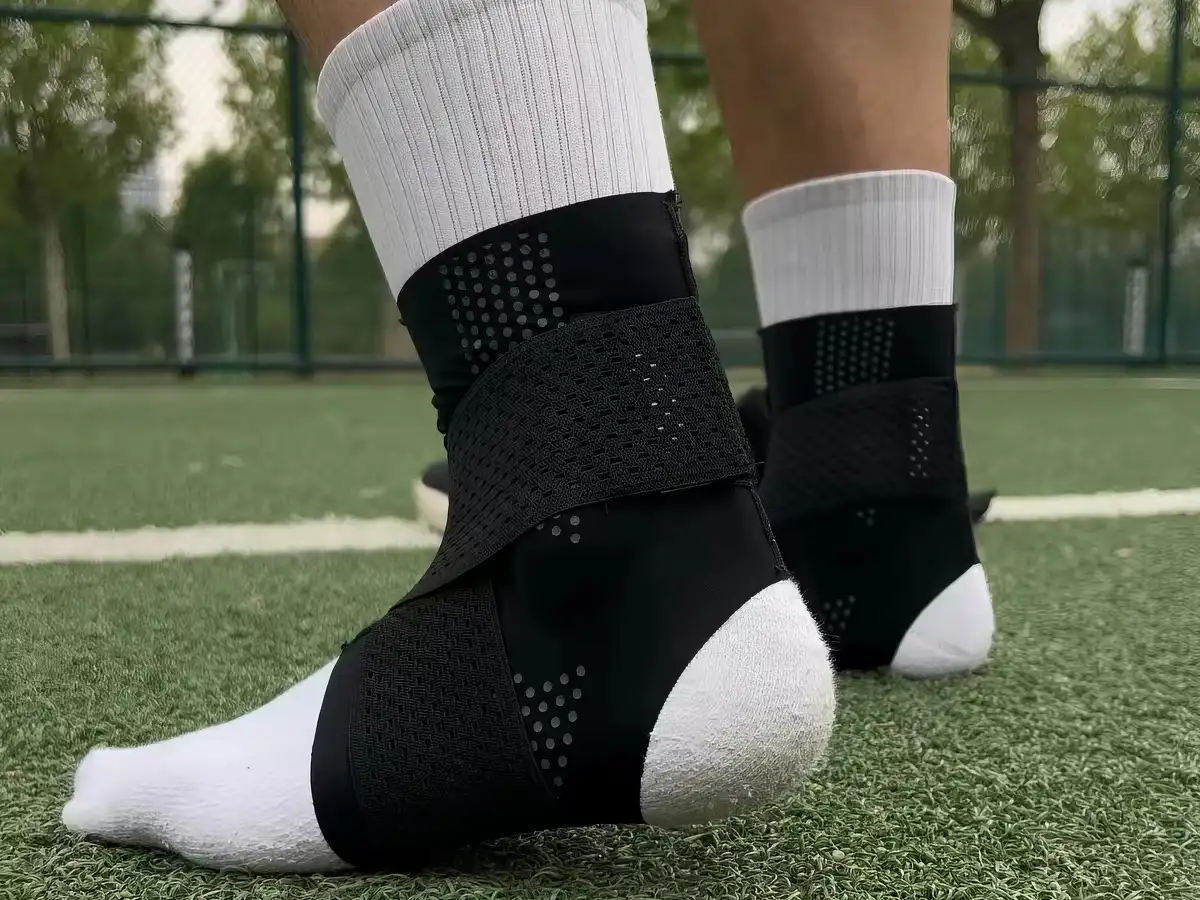
Ankle Support & Sleeve
Flexible compression and lightweight support for sports, training and everyday movement.
- Soft & Flexible
- Compression-Focused
- Knitted / Neoprene / Elastic Materials
- Light to Moderate Support
- Knitting / Cutting / Sewing Manufacturing
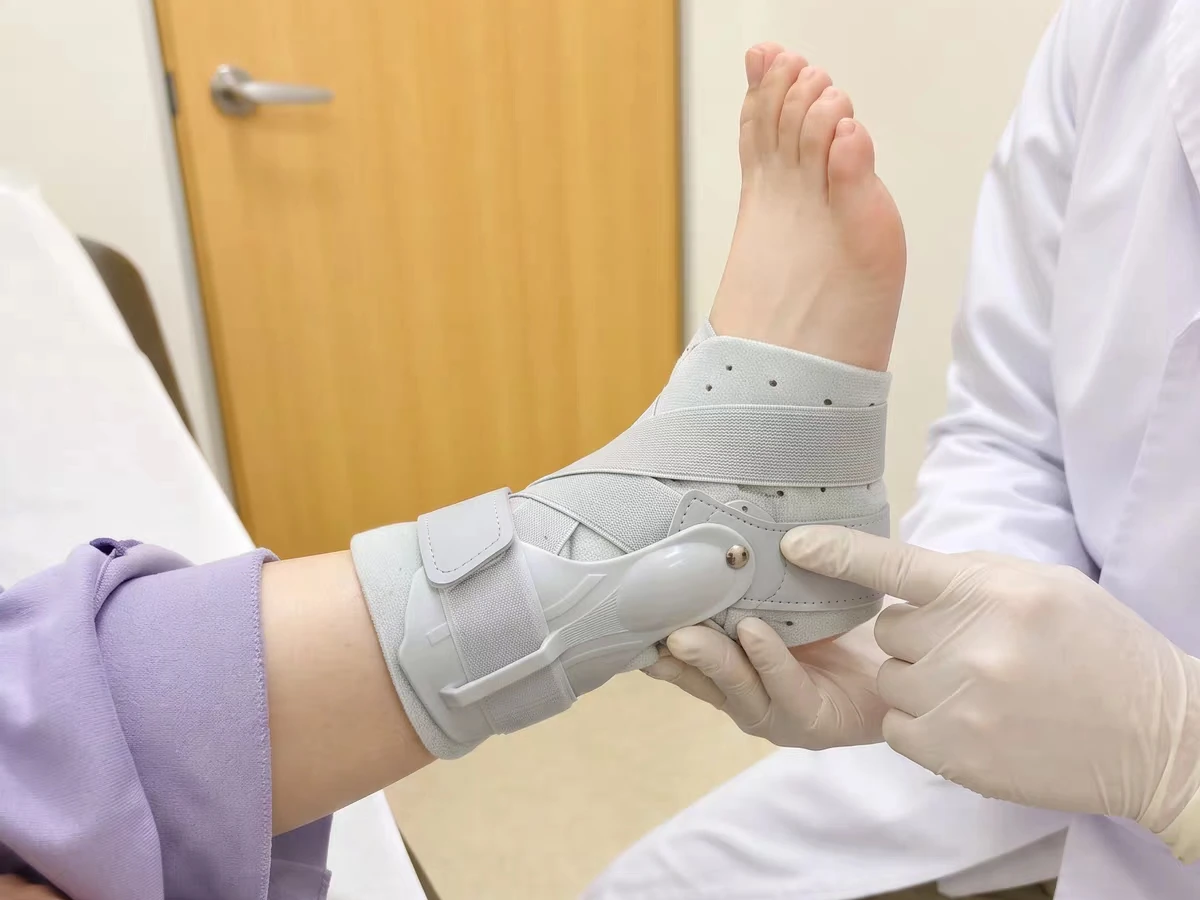
Ankle Brace & Splint
More structured stabilization for product programs requiring greater movement control.
- More Structured Construction
- Greater Stabilization
- Side Stays / Shells / Stabilizers
- Moderate to High Support
- Cutting / Sewing / Molding / Assembly
Engineering Details That Define Ankle Support Performance
Small changes in construction can significantly affect fit, compression, movement and manufacturing complexity. These details can be adjusted during OEM development according to the intended sport, material system and support level.
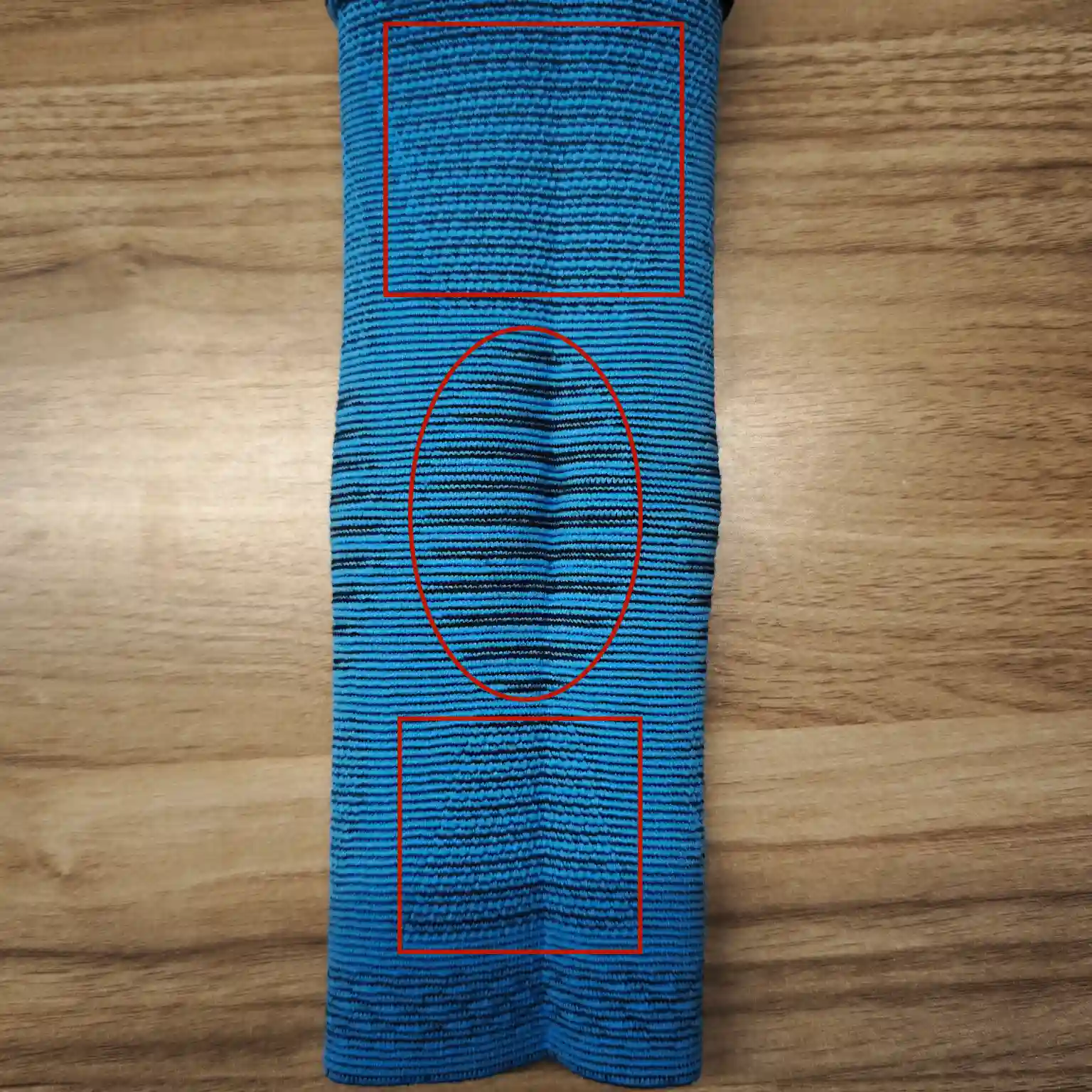
01. Compression Zones
Compression does not need to be distributed evenly across the entire ankle support. In knitted products, different yarn tensions and knit densities can create firmer and more flexible zones around the ankle, heel and instep.
Knitting Density, Yarn Elasticity, Compression Distribution, Reinforced Knit Zones, Sleeve Length
Compression Ankle Sleeves, Gel Pad Supports, Copper Ankle Supports
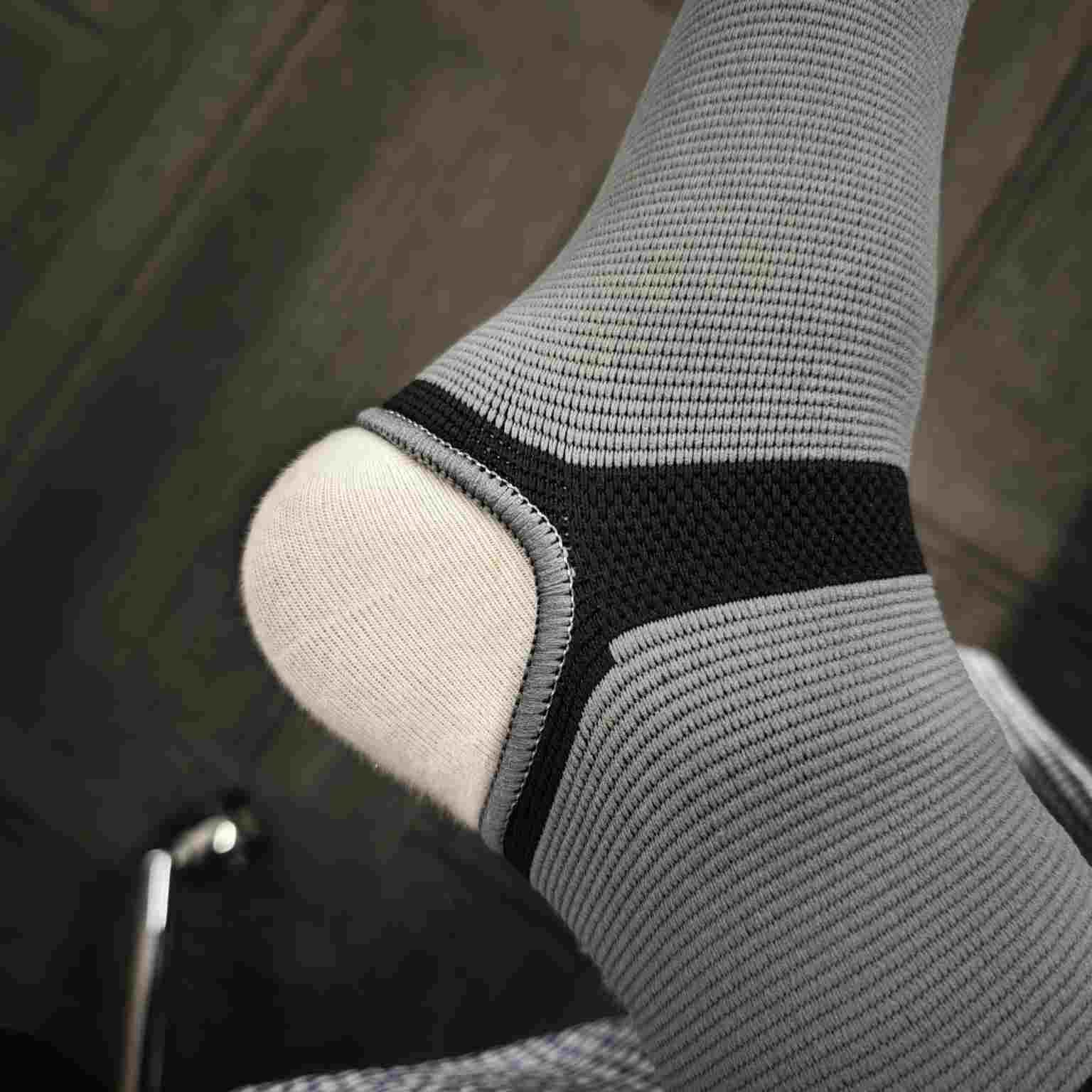
02. Heel Opening & Fit
The heel opening helps position the support correctly around the ankle and affects fit, movement and shoe compatibility. Opening size, shape and edge construction should be developed together with the overall product structure.
Opening Size, Opening Shape, Edge Binding, Reinforcement, Anatomical Contour
Figure-8 Supports, Neoprene Supports, Elastic Wraps
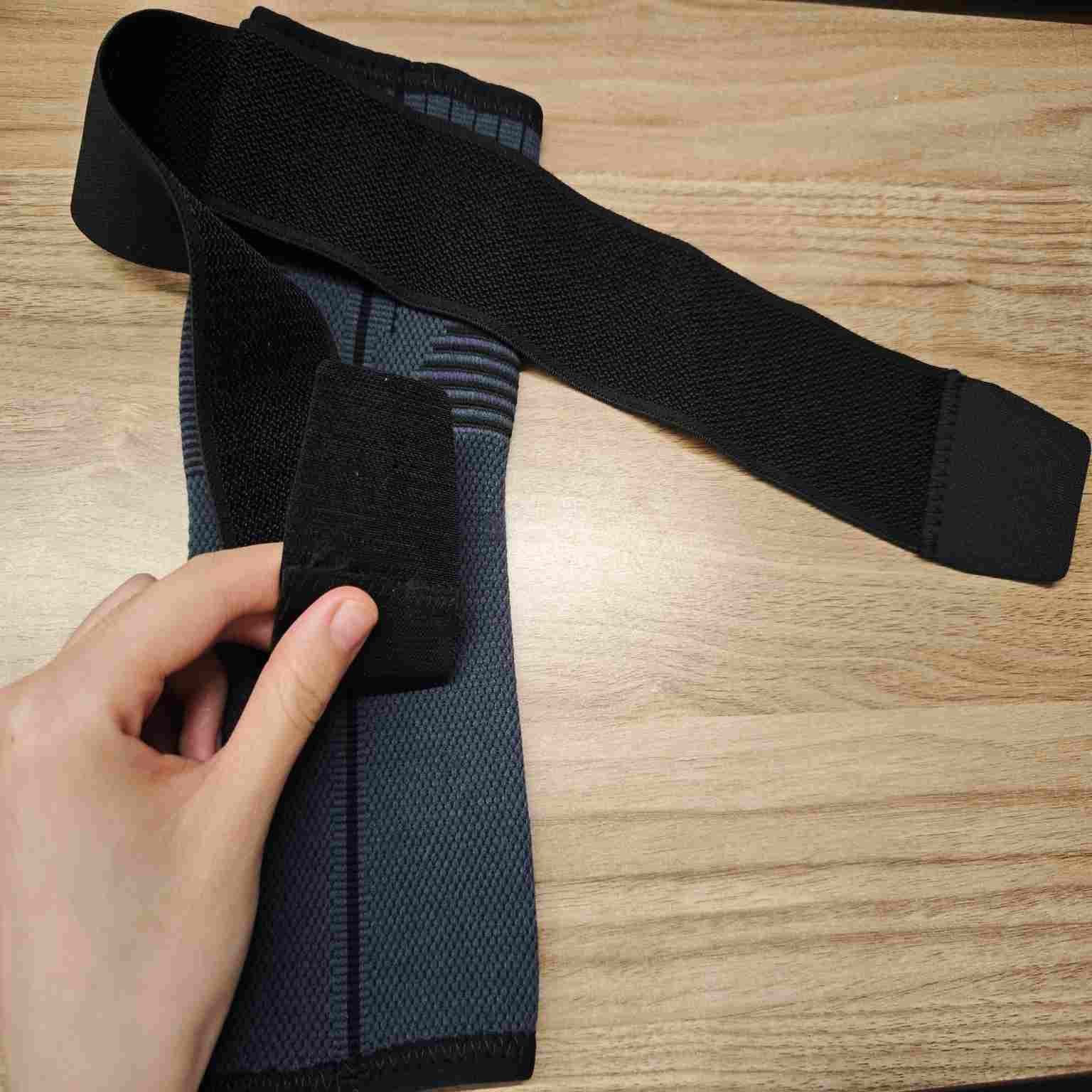
03. Strap Path & Adjustment Structure
Strap configuration determines where adjustable compression is applied. A simple wrap creates circumferential compression, while a figure-8 structure creates more directional support around the ankle.
Straight Wrap, Figure-8 Configuration, Strap Width, Elasticity, Strap Length, Hook-and-Loop Position
Elastic Ankle Wraps, Figure-8 Supports, Hybrid Sleeve-and-Strap Products
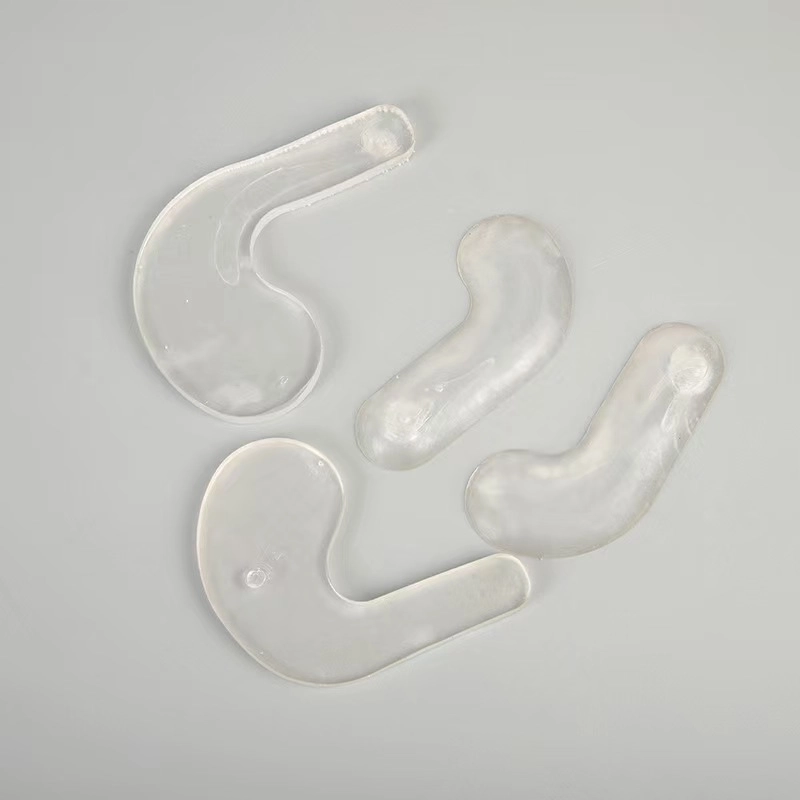
04. Gel & Silicone Components
Gel and silicone components can be integrated into knitted ankle supports to provide localized cushioning and create a more differentiated product structure.
Pad Shape, Pad Thickness, Softness, Position, Single- or Double-Side Configuration, Integration Method
Gel Pad Ankle Sleeves, Silicone Ankle Supports, Premium Compression Products
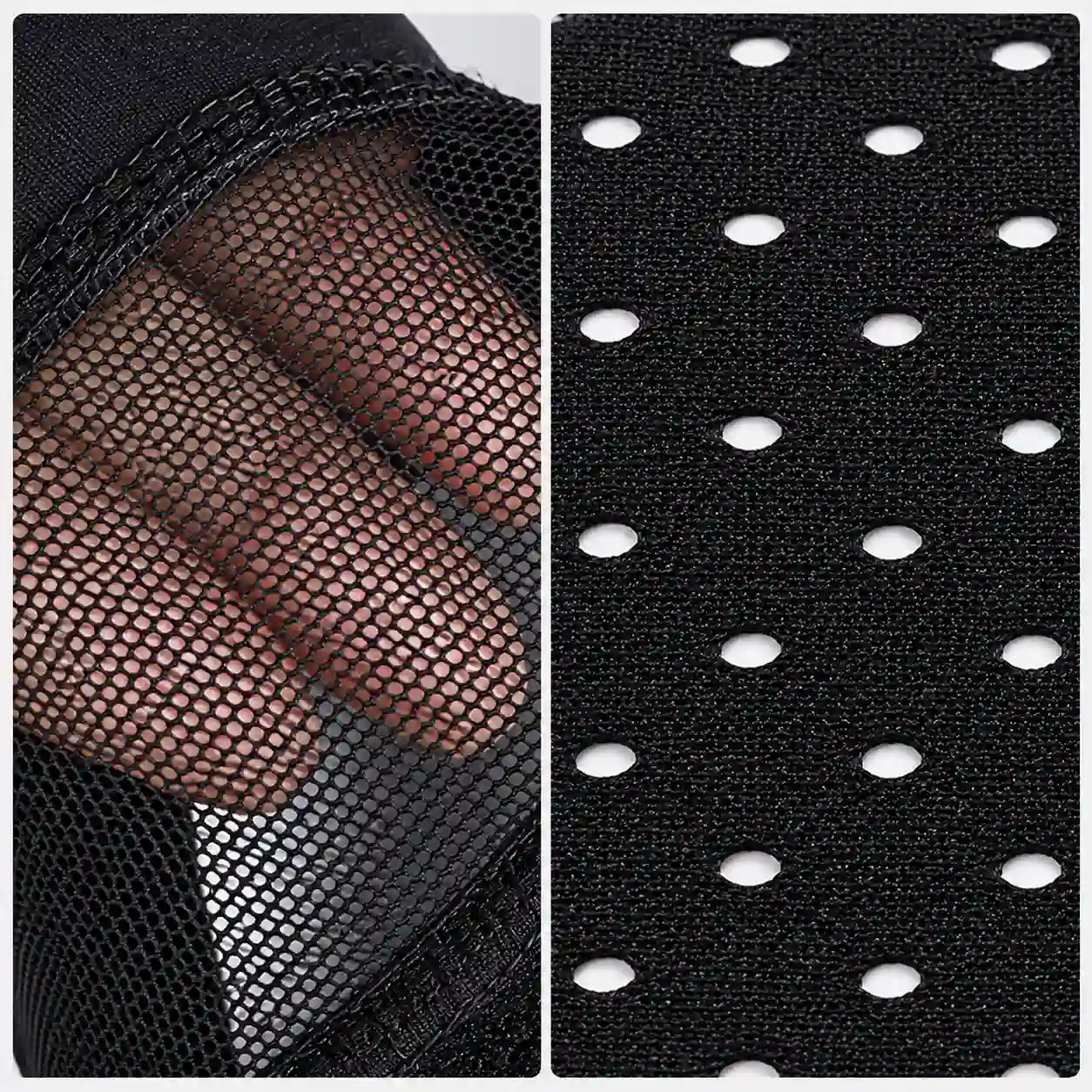
05. Perforation & Breathability
Breathability can be controlled through both materials and construction. Neoprene products can use perforation, while knitted supports can use mesh zones or open-knit structures.
Perforation Pattern, Hole Density, Mesh Panels, Open-Knit Zones, Material Thickness
Neoprene Supports, Sports Wraps, Compression Sleeves
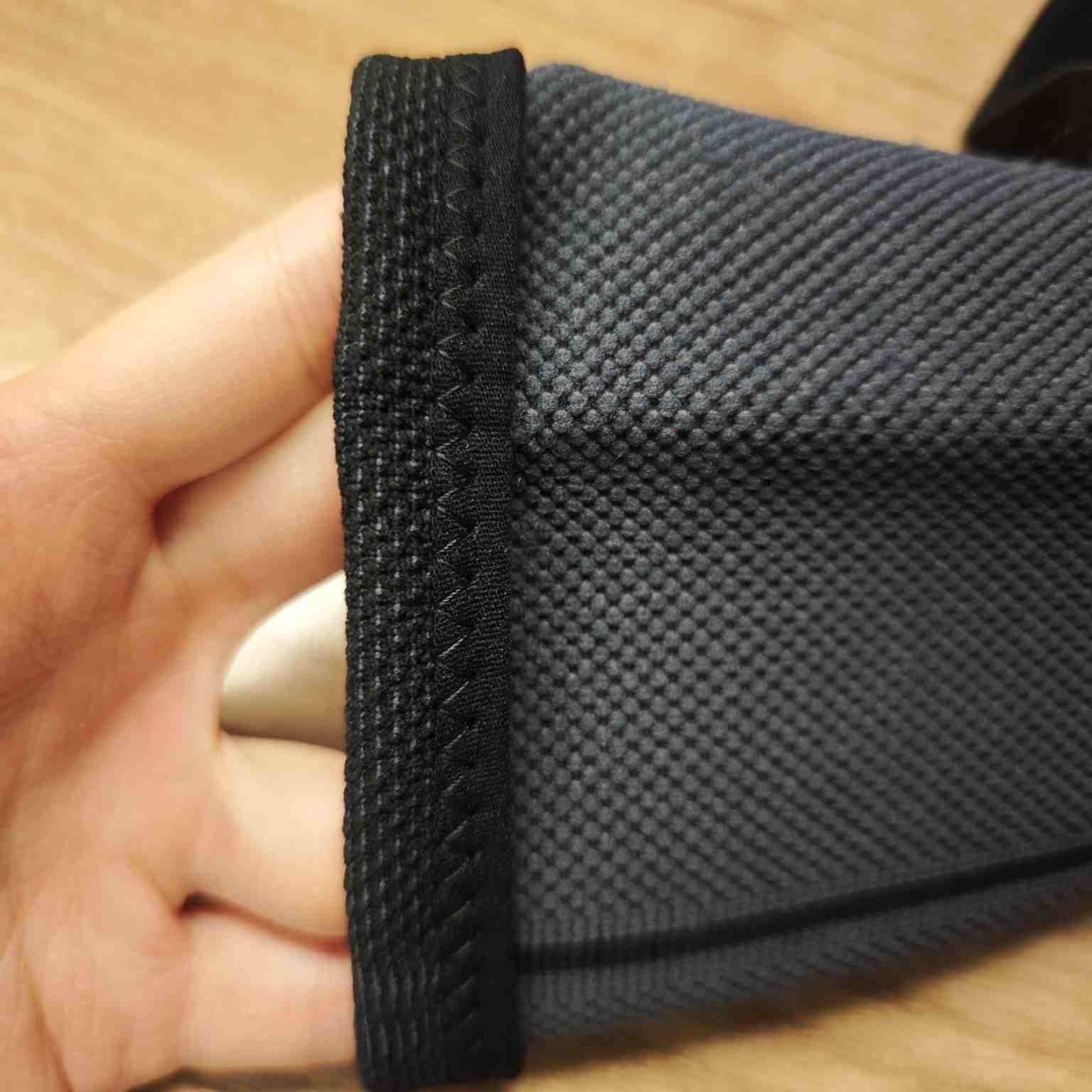
06. Seams & Edge Binding
Seam placement and edge finishing influence comfort, durability and the finished appearance of an ankle support. Reinforcement is especially important where straps, hook-and-loop components and elastic panels are attached.
Seam Position, Stitch Type, Reinforcement Stitching, Binding Width, Binding Material, Edge Finish
Neoprene Supports, Elastic Wraps, Figure-8 Supports, Component-Based Ankle Supports
Materials for Custom Ankle Supports
Compare knitted fabrics, neoprene, elastic textiles and cushioning components to select
the right material system for your ankle support program.
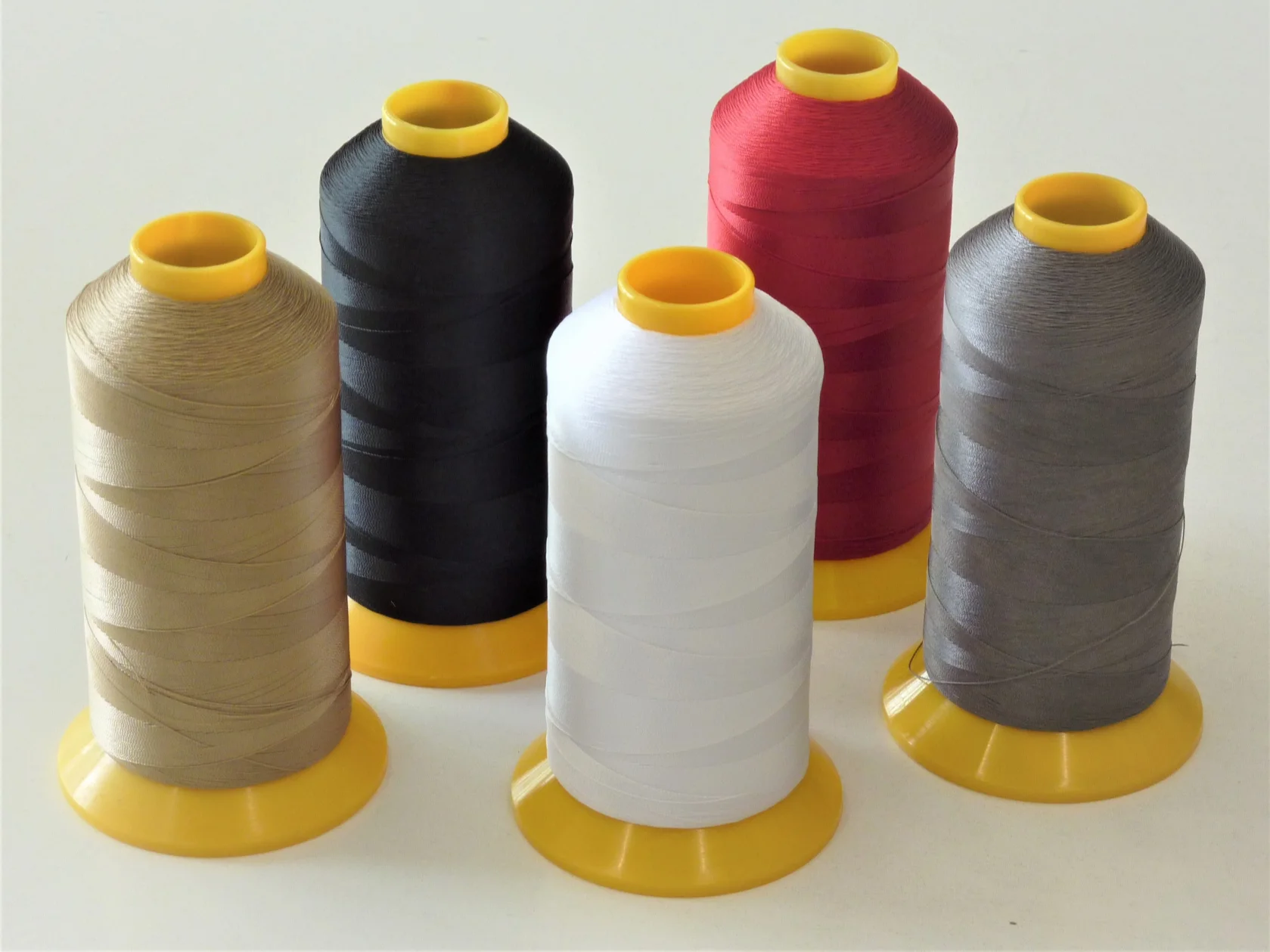
Polyamide / Polyester Knit
Compression Sleeves / Knitted Supports
Stretch Recovery / Breathability / Knitting Density
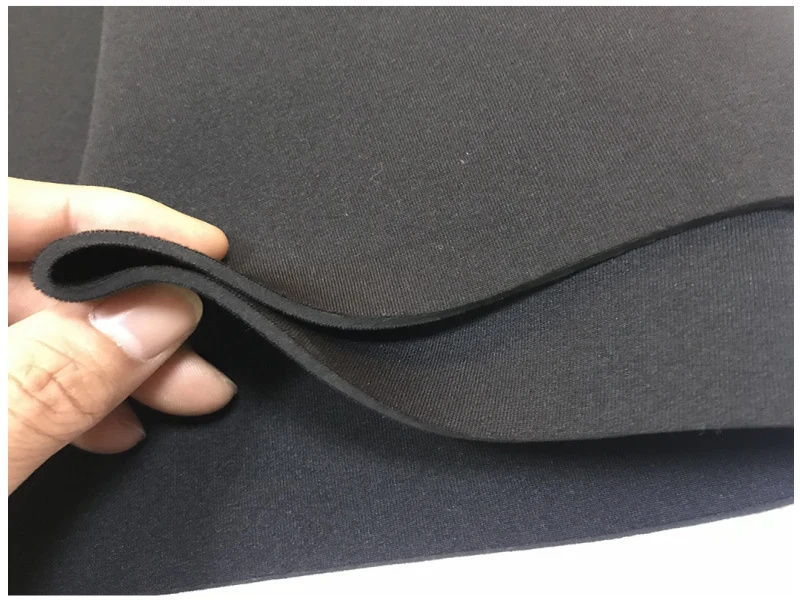
Neoprene
Wraps / Structured Soft Supports
Thickness / Lamination / Perforation / Cushioning
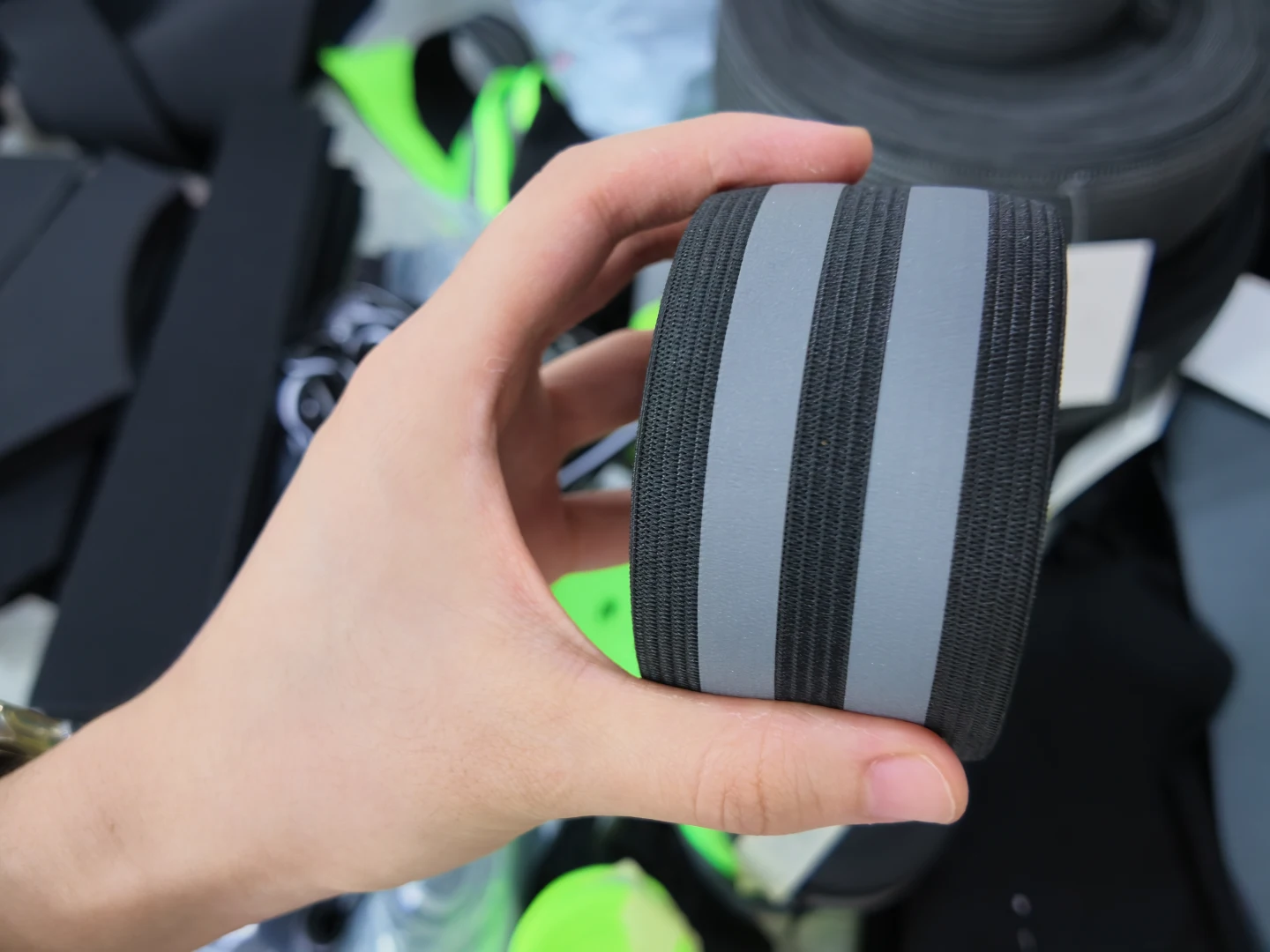
Elastic Fabric
Elastic Wraps / Adjustable Straps
Stretch / Recovery / Compression
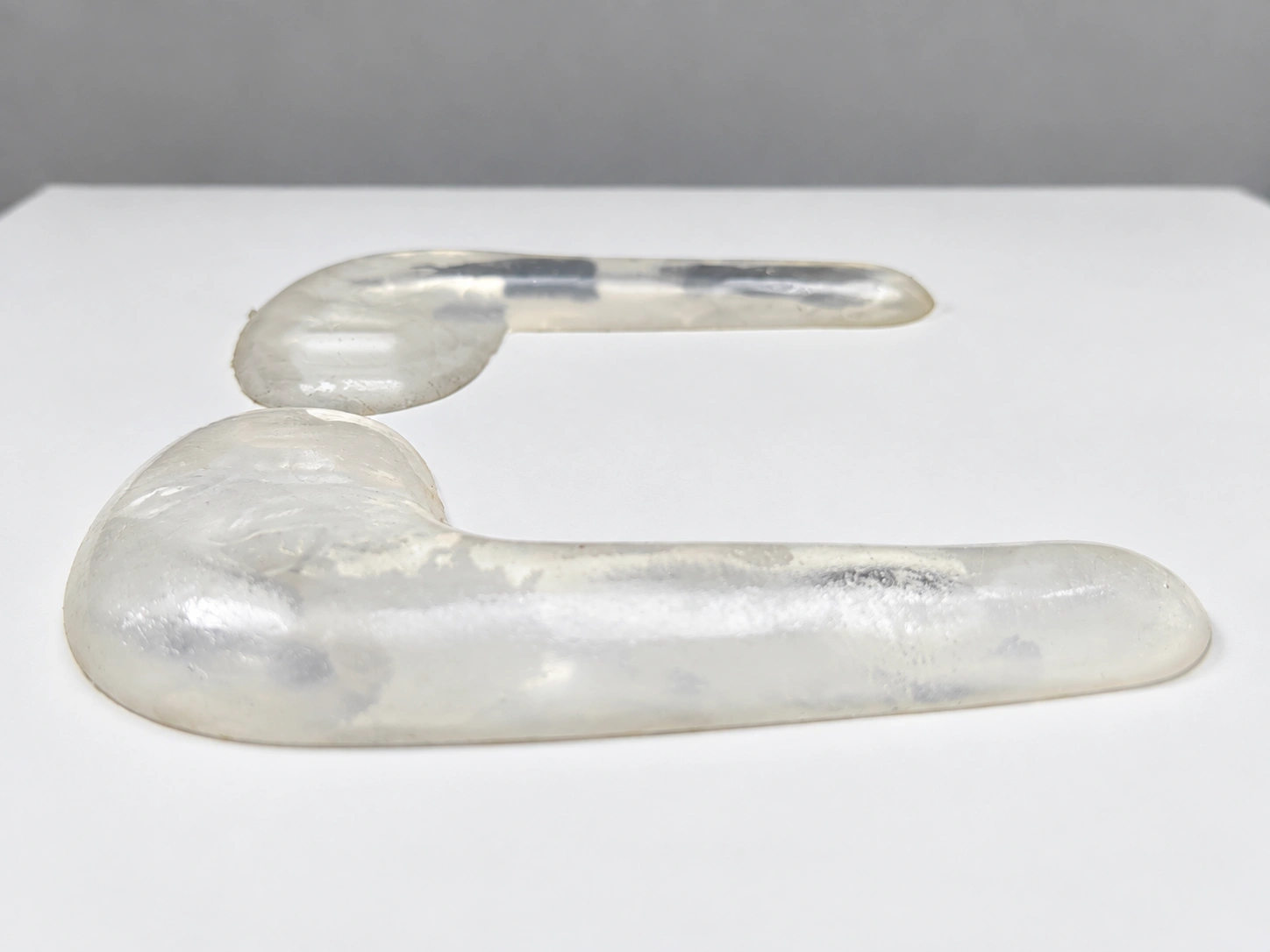
Gel / Silicone
Localized Cushioning Components
Shape / Thickness / Softness / Placement
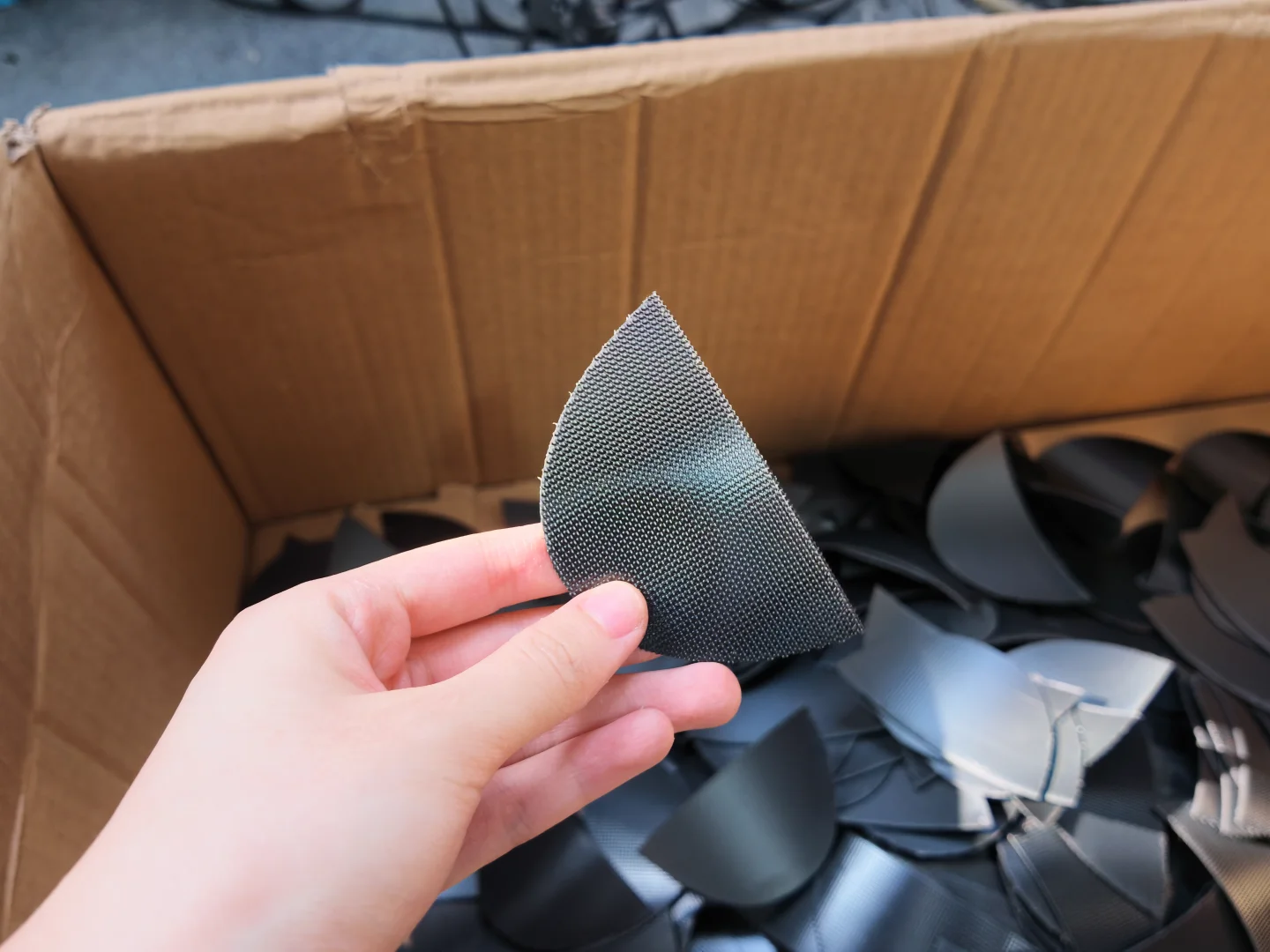
Hook-and-Loop & Straps
Adjustable Ankle Supports
Width / Fastening Strength / Surface Finish
Customize Your Ankle Support
Customize materials, colors, sizing, branding, components and packaging
to match your target market and product positioning.

Material Customization
- ▪ Polyamide / Polyester
- ▪ Spandex / Neoprene
- ▪ Elastic Fabric / Mesh
- ▪ Gel / Silicone
- ▪ Optional Specialty Yarn

Color Customization
- ▪ Solid Color
- ▪ Pantone Matching
- ▪ Jacquard Patterns
- ▪ Gradient / Camo
- ▪ Custom Graphics / Reflective

Logo Customization
- ▪ Knitted Jacquard Logo
- ▪ Heat Transfer
- ▪ Silicone 3D Print
- ▪ Woven Label
- ▪ Rubber Badge

Size Customization
- ▪ Standard S–4XL
- ▪ Extended Sizes
- ▪ Custom Circumference Grading
- ▪ Custom Size Chart
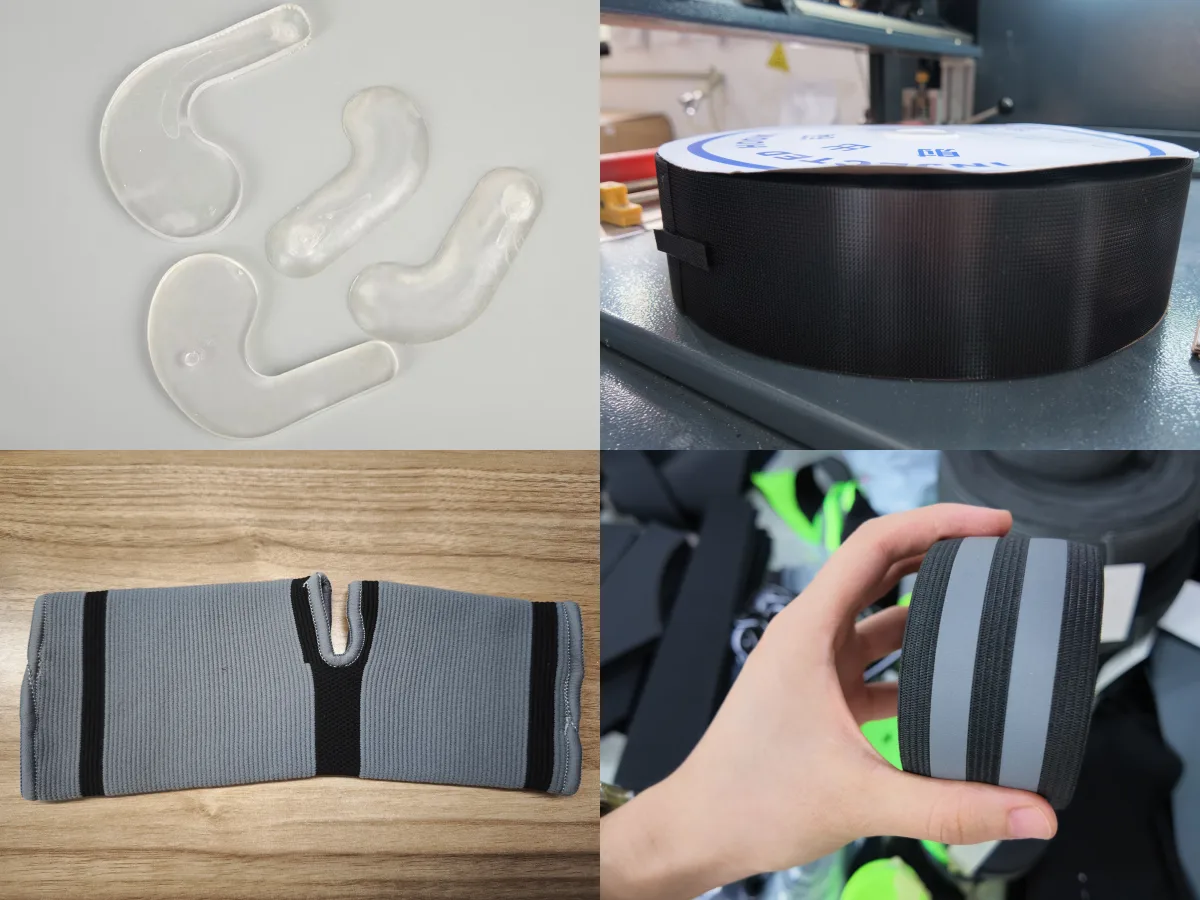
Component Customization
- ▪ Elastic Strap / Figure-8 Strap
- ▪ Gel Pad / Silicone Pad
- ▪ Heel Opening
- ▪ Hook-and-Loop
- ▪ Reinforcement Panel
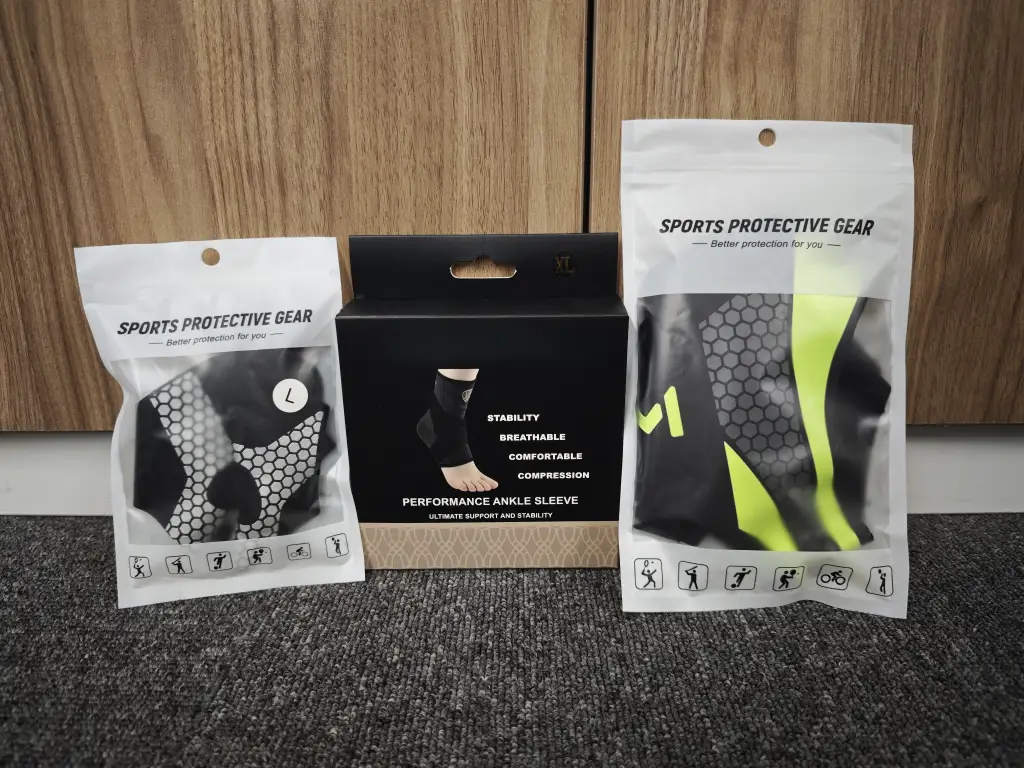
Packaging Customization
- ▪ OPP Bag
- ▪ Retail Hang Card
- ▪ Folding Box
- ▪ Hang Tag / Care Label
- ▪ Custom Insert
From Requirement to Production Sample
Turn your product requirements into a production-ready ankle support through structure selection,
material development, sampling and revision.
Product Brief
Target Market / Target Sport / Product Positioning
Structure Selection
Sleeve / Wrap / Neoprene / Gel / Copper
Material & Component
Fabric / Compression / Strap / Pad
Sample Development
Size / Structure / Branding
Evaluation & Revision
Fit / Dimensions / Workmanship / Components
Pre-Production
Specifications / Logo / Packaging
Bulk Production
Manufacturing / QC / Packing
Different Manufacturing Routes for Different Ankle Support
Manufacturing methods vary by product structure, from knitted sleeves
to neoprene supports and strap-based constructions.
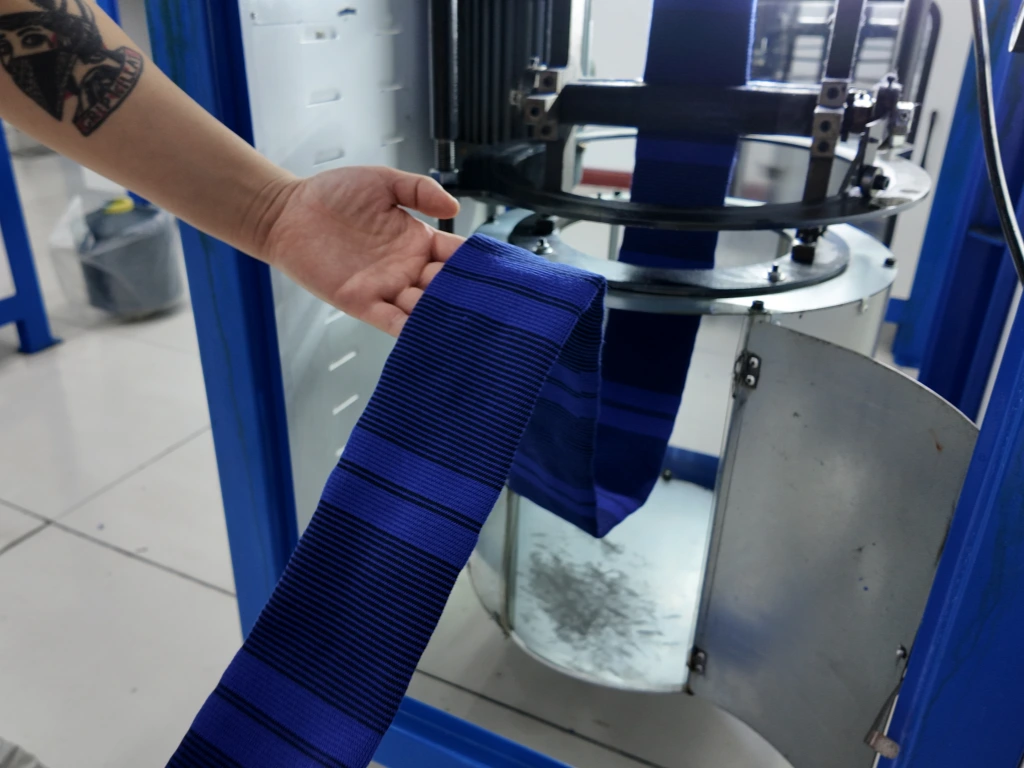
Route A — Knitted Ankle Support
- 01 Yarn Preparation
- 02 Knitting
- 03 Shaping
- 04 Component Integration
- 05 Finishing
- 06 Inspection

Route B — Neoprene Support
- 01 Raw Material
- 02 Neoprene Slicing & Lamination
- 03 Perforation / Embossing
- 04 Pattern Making & Cutting
- 05 Printing & Sewing
- 06 QC & Packing

Route C — Wrap / Hybrid Support
- 01 Base Material Prep
- 02 Strap Cutting
- 03 Hook-and-Loop Prep
- 04 Sewing
- 05 Component Assembly
- 06 Inspection
How We Check Ankle Support Quality
The purpose of inspection is to make sure bulk production remains consistent with the approved sample and confirmed specification.

Material Check
Checking material type, color, thickness, and other specified material details before production moves forward.
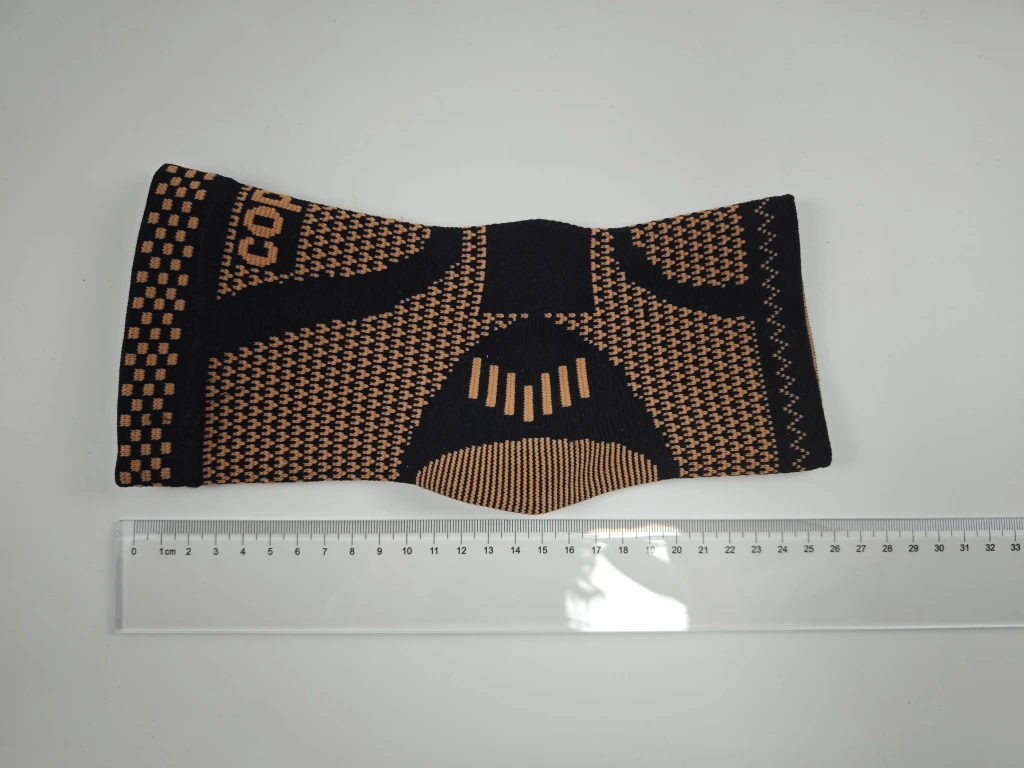
Size Check
Measuring product dimensions and key positions against the approved size specification to confirm consistency.

Stitching & Assembly Check
Inspecting stitching, edge finishing, strap attachment, and assembly details to ensure the product matches the approved construction.

Needle Detection
Screening finished sewn products for broken needle fragments or other metal contamination before packing.
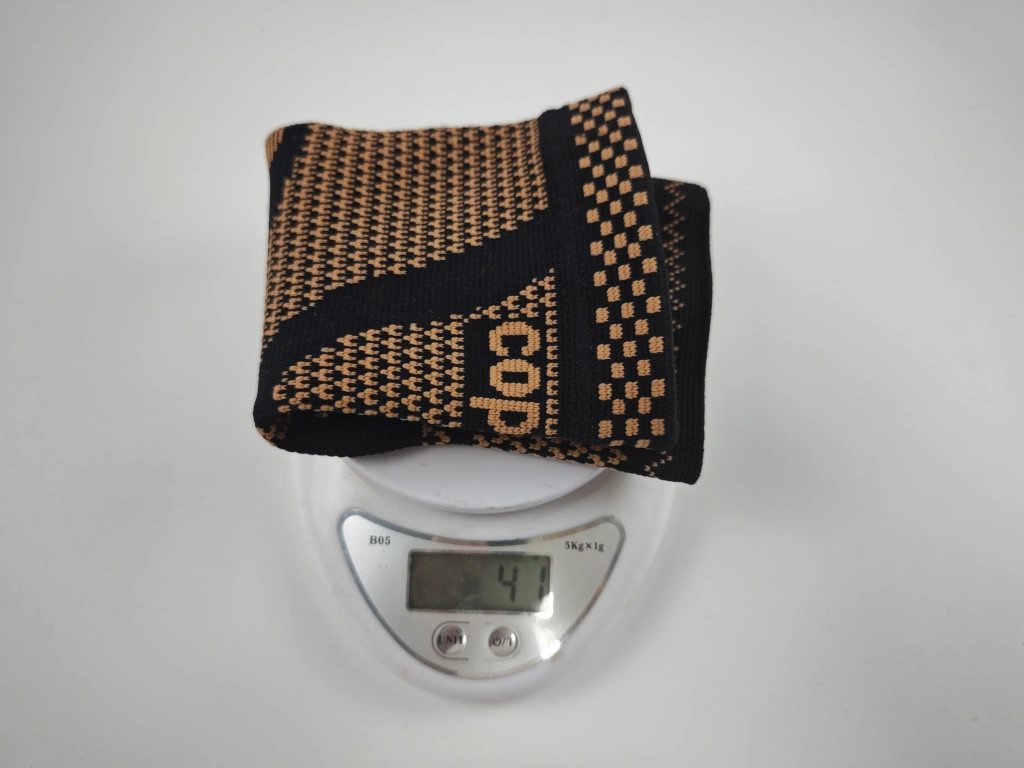
Weight Check
Checking product weight against the approved specification to help identify material or component inconsistencies.
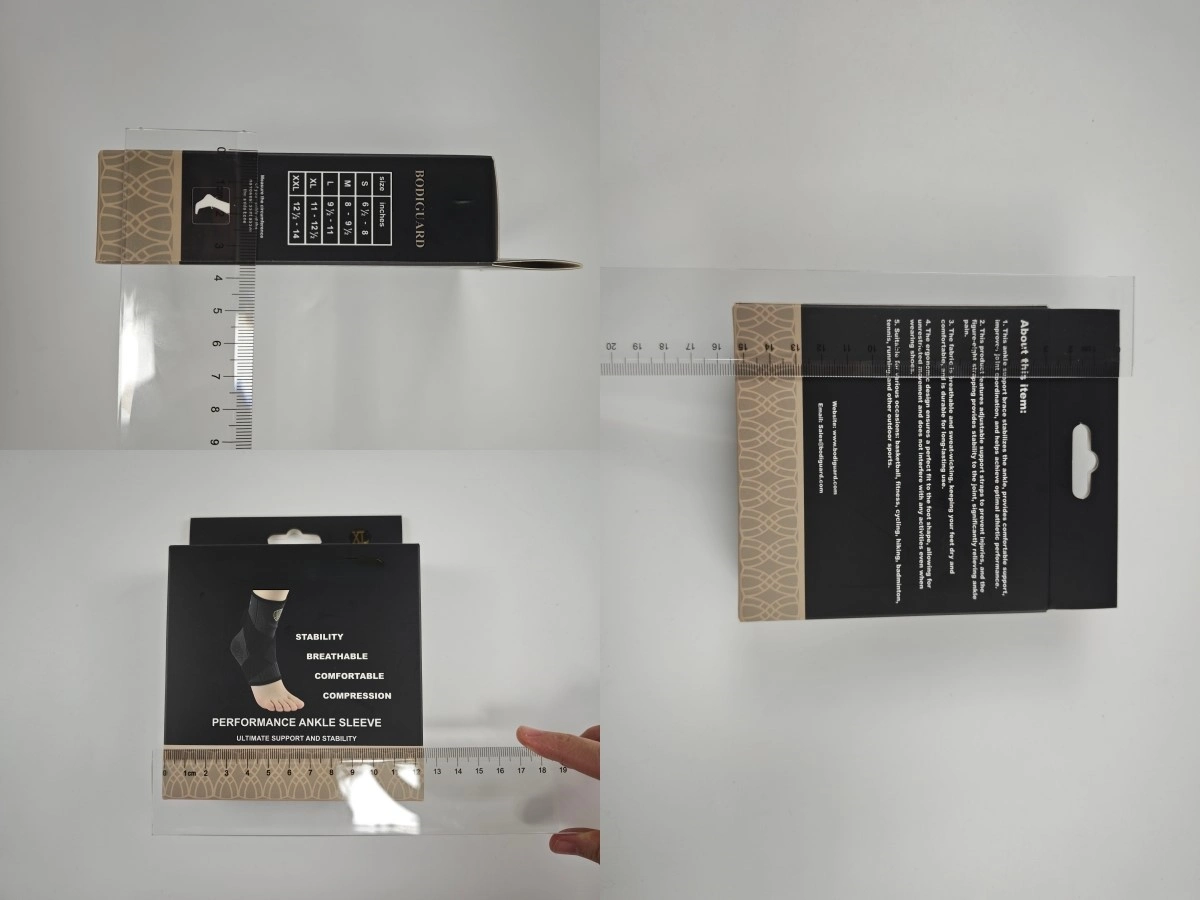
Final Packaging Check
Confirming product appearance, size, quantity, labeling, and packaging details before cartons are prepared for shipment.
Compliance & Certifications
Compliance needs differ across product types and target markets. We can support ankle support projects with the compliance-related materials required for customer review and market entry.

ISO 13485

CE

BSCI

FDA

ISO 9001

Patent License

ISET

PPWR
Frequently Asked Questions
Common questions from brands, distributors and private-label buyers developing ankle support products.
Do you manufacture custom ankle supports?
What ankle support types can you produce?
What materials can be customized?
Can compression levels be adjusted?
Can you add gel or silicone pads?
Can ankle support sizing be customized?
What logo methods are available?
What packaging can be customized?
Can I modify an existing ankle support?
Can you develop a new ankle support from a sample?
What is the difference between an ankle support and an ankle brace?
How do I start an OEM ankle support project?
Let's Start Your Ankle Support Project!
Share your target product,reference sample,required support level,materials,estimated quantity and customization requirements.We can evaluate the appropriate structure and manufacturing route for your program.
Yangzhou, Jiangsu, China, 225009

Tell Us Your Product Requirement
Send us your product, quantity, customization, or packaging requirements. Reference photos, product links, and existing specifications are welcome.
The Guide for Ankle Support
01. What Does an Ankle Support Do?
An ankle support provides mild to moderate compression and physical coverage around the ankle joint. It is designed to retain warmth, offer proprioceptive feedback, and deliver a low level of structural support without severely restricting the natural range of motion during sports or daily activities.
02. Ankle Support vs Ankle Brace
While terms are often mixed, an ankle support generally refers to soft goods (sleeves, wraps) focusing on compression. An ankle brace incorporates rigid or semi-rigid elements (plastic stays, shells, hinges) to actively restrict inversion and eversion.
03. Ankle Sleeve vs Ankle Wrap
A sleeve is a continuous tube pulled over the foot, offering uniform, non-adjustable compression. A wrap is an open structure fastened with hook-and-loop, allowing the user to adjust the tightness and apply localized pressure where needed.
04. What Is an Ankle Compression Sleeve?
It is a seamless or flat-knitted garment made from elastic yarns (like nylon and spandex) designed to fit tightly around the ankle anatomy, providing consistent pressure to support the joint during movement.
05. What Is a Figure-8 Ankle Support?
A support that utilizes straps crossing in a "figure-8" pattern over the instep and around the heel. This mimics traditional athletic taping to provide superior directional support compared to a simple straight wrap.
06. Knitted vs Neoprene Ankle Support
Knitted supports are highly breathable, lightweight, and conform closely to the skin. Neoprene supports are thicker, retain more heat, provide a cushioning effect, and are generally more durable against abrasion.
07. How Do Different Support Levels Affect Product Design?
Light support relies solely on fabric elasticity. Moderate support introduces straps for adjustability or gel pads for localized pressure. Higher support levels move into the brace category by adding stays or rigid panels.
08. How to Choose Ankle Support Construction for Sports?
Running requires low-profile, breathable knit sleeves. Soccer and basketball often require figure-8 wraps for lateral stability. General fitness programs can utilize simple elastic wraps or neoprene supports.
09. What Materials Are Used in Ankle Supports?
Primary materials include Polyamide (Nylon) and Polyester for durability, Spandex (Elastane) for stretch, Neoprene for heat retention/cushioning, and Silicone or TPR for localized pads and anti-slip strips.
10. How Are Ankle Supports Manufactured?
Knitted supports are woven on circular machines, heat-set, and finished with edge binding. Cut-and-sew supports (neoprene/elastic) start with flat material that is cut via die or laser, then assembled using specialized stitching (e.g., flatlock or zig-zag).
11. How Is Ankle Support Sizing Developed?
Sizing is usually based on ankle circumference just above the malleolus (ankle bone) or shoe size. Accurate grading (scaling dimensions between S, M, L, XL) ensures consistent compression across different user groups.
12. What Can Be Customized in an OEM Ankle Support?
Almost every element: base material, compression level, color (Pantone), logo application (knit, print, label), strap configuration, padding integration, size range, and retail packaging.